From the kitchen
Plan thoughtfully. Cook confidently.
50 practical articles, with matching recipes from our collection.
Created with AI. Publication may be automated. About our content and editorial process
Menu planning
A useful weekly menu starts with your calendar. Mark evenings with little cooking time, workdays away from home, and meals you will share. Assign dishes to those situations before making a shopping list. The result should support your week rather than become another obligation.
Read article →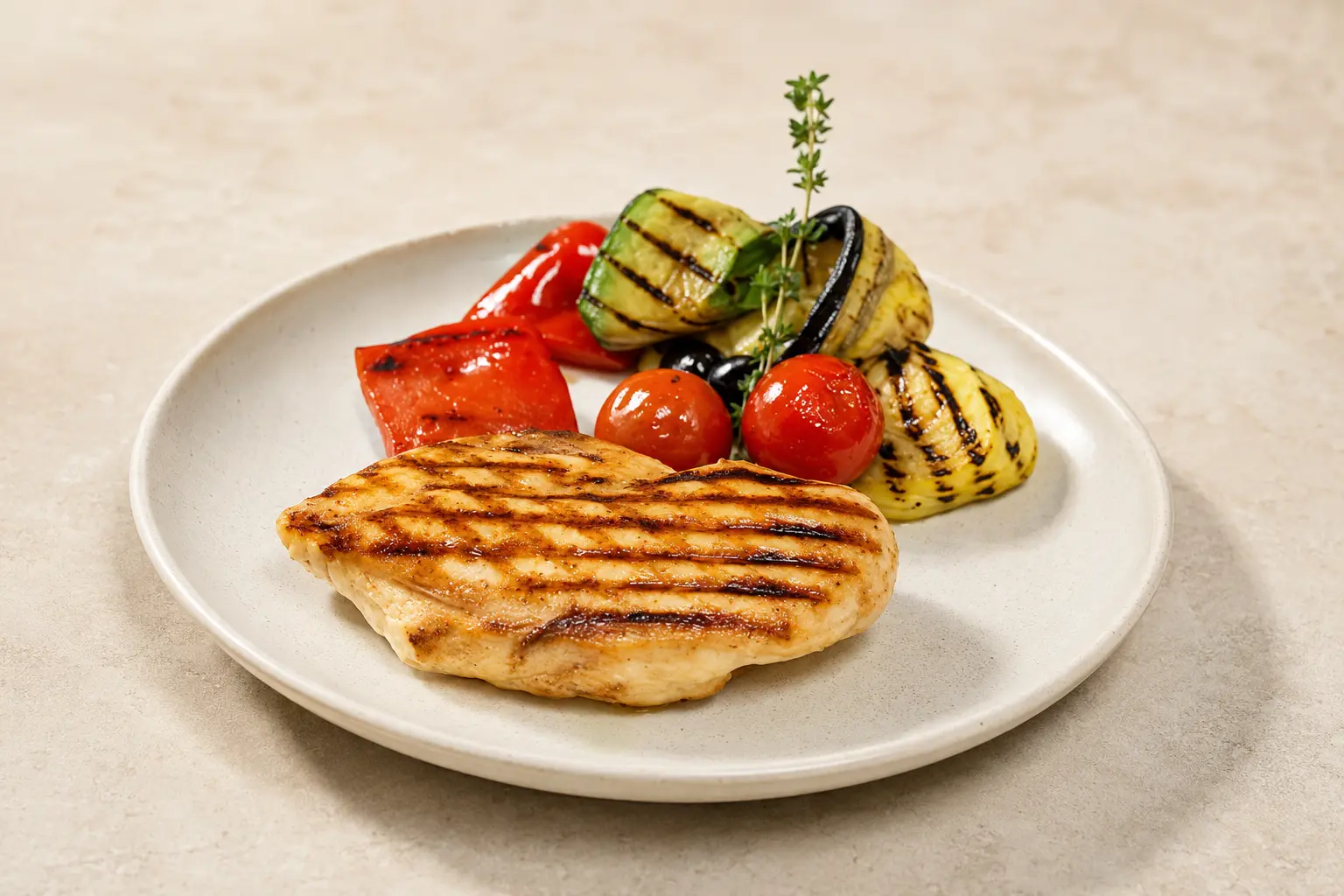
Menu planning
Preparing ahead does not require five identical meals. Think of cooked vegetables, grain sides, and main components as building blocks. The important part is choosing compatible recipes and keeping track of their quantities. A simple plan with a main dish, side, and fresh addition is enough to begin.
Read article →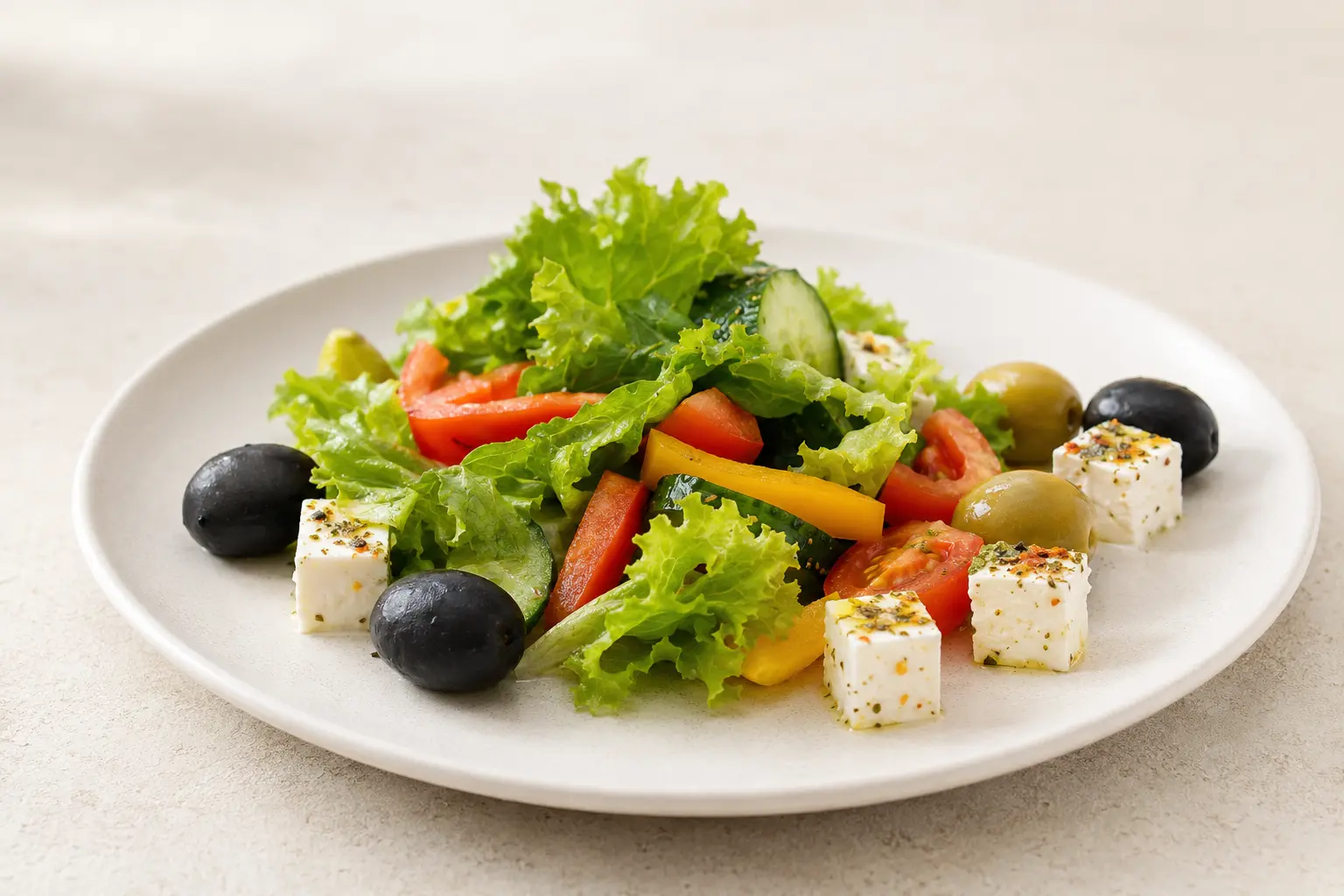
Menu planning
A combined shopping list reduces effort when several dishes share ingredients. Greek salad, caprese, and Mediterranean salad offer useful examples. Add together only products that are genuinely interchangeable. Fresh tomatoes, sun-dried tomatoes, and tomato sauce serve different purposes and should not automatically become one line on the list.
Read article →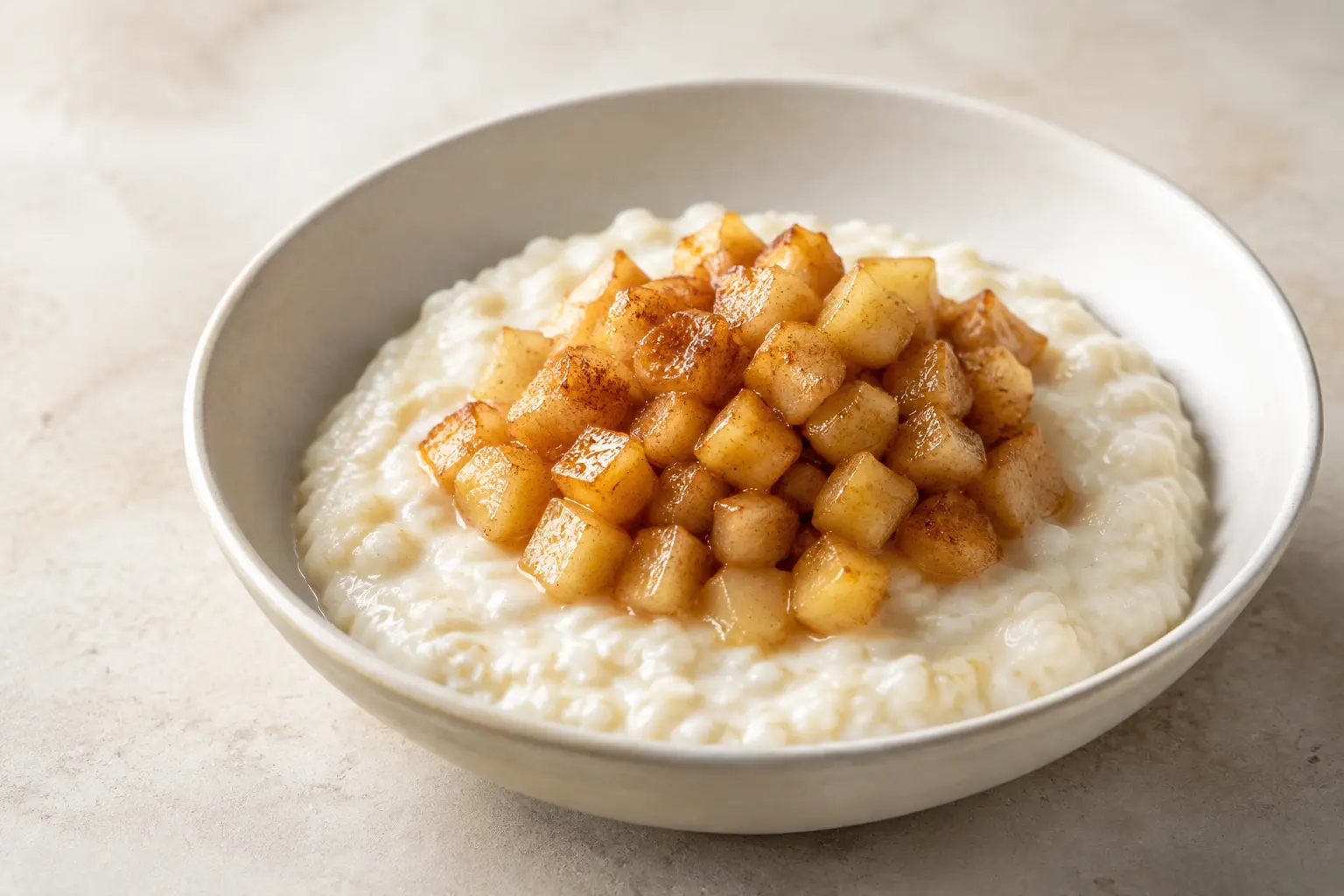
Menu planning
A monthly menu reduces the daily search for meal ideas. It works best as an organized selection rather than a rigid instruction. Your schedule, appetite, available ingredients, and other people at the table still matter. The 1,200, 1,700, and 2,500 kcal programs are examples from the supplied source document.
Read article →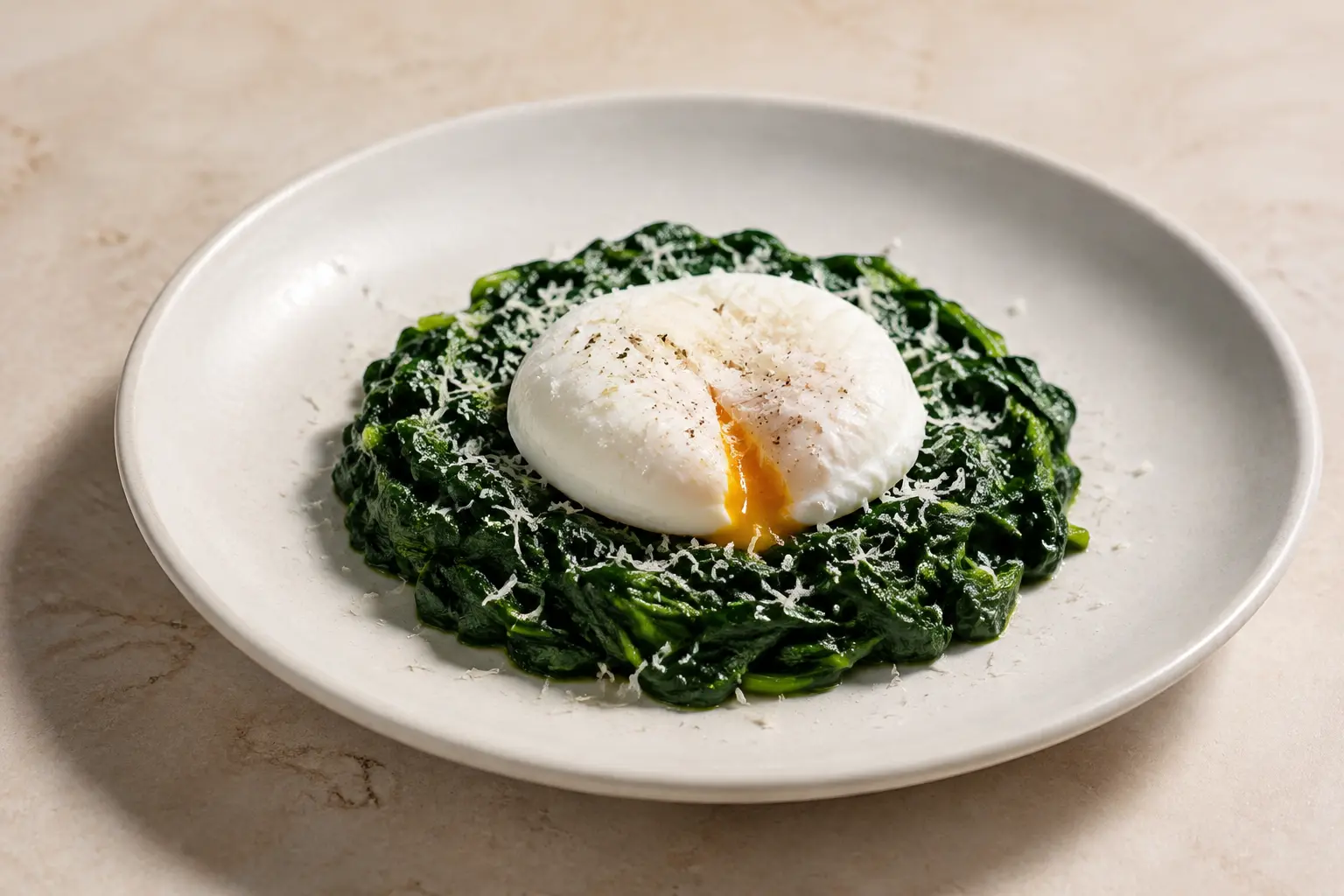
Menu planning
Two people do not necessarily need identical plates, but a reliable starting quantity makes cooking easier. The recipe cards begin with the original serving. Select the amount you need and check whether the main dish, side, and sauce are included together. This helps you avoid overlooking small ingredients when doubling a recipe.
Read article →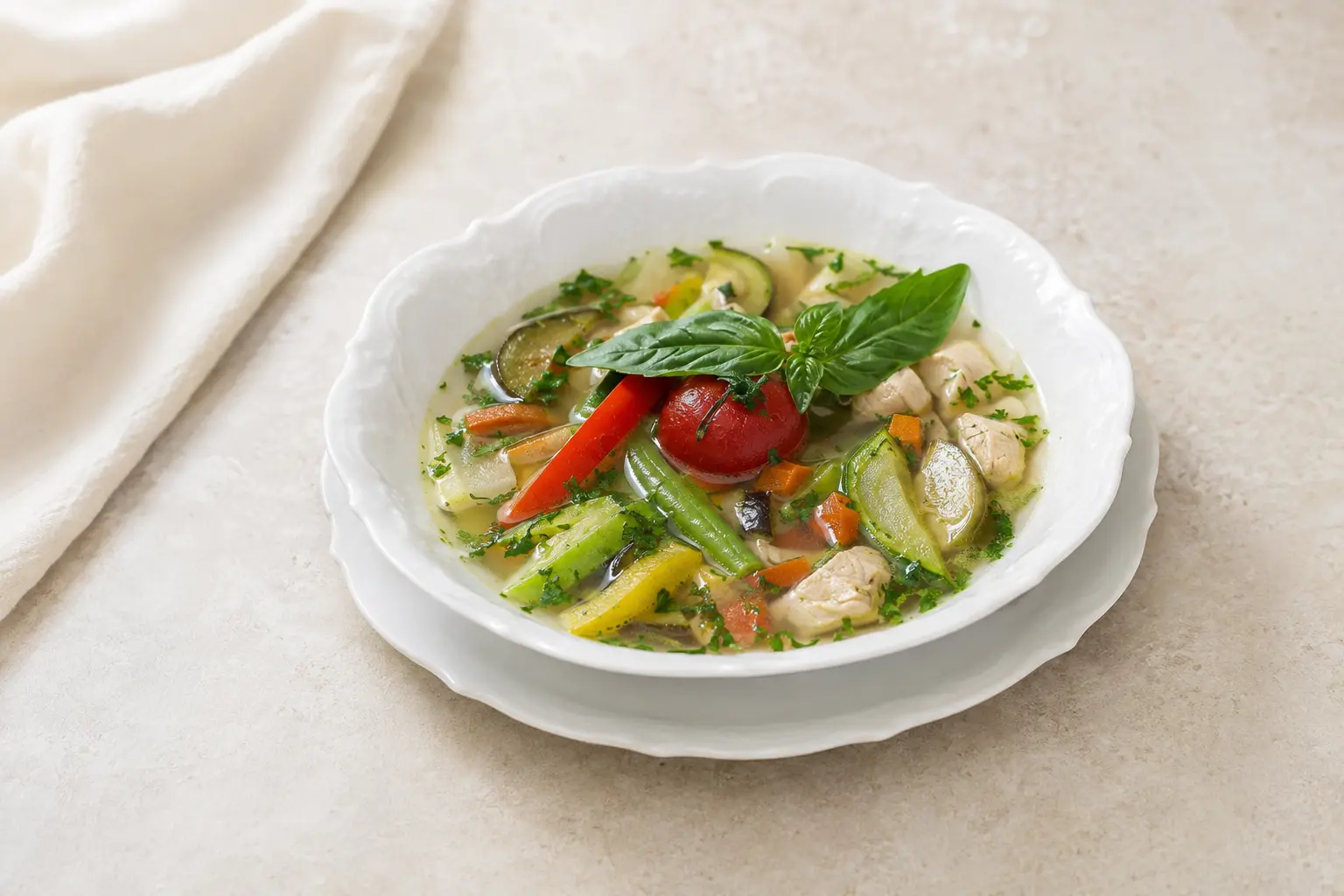
Menu planning
Leftover vegetables first raise a planning question: which planned dish can use them without losing its character? Minestrone, a vegetable salad, and quinoa with green beans offer different possibilities. Record what you already have before shopping. Use only ingredients whose condition and appropriate storage you can confidently assess.
Read article →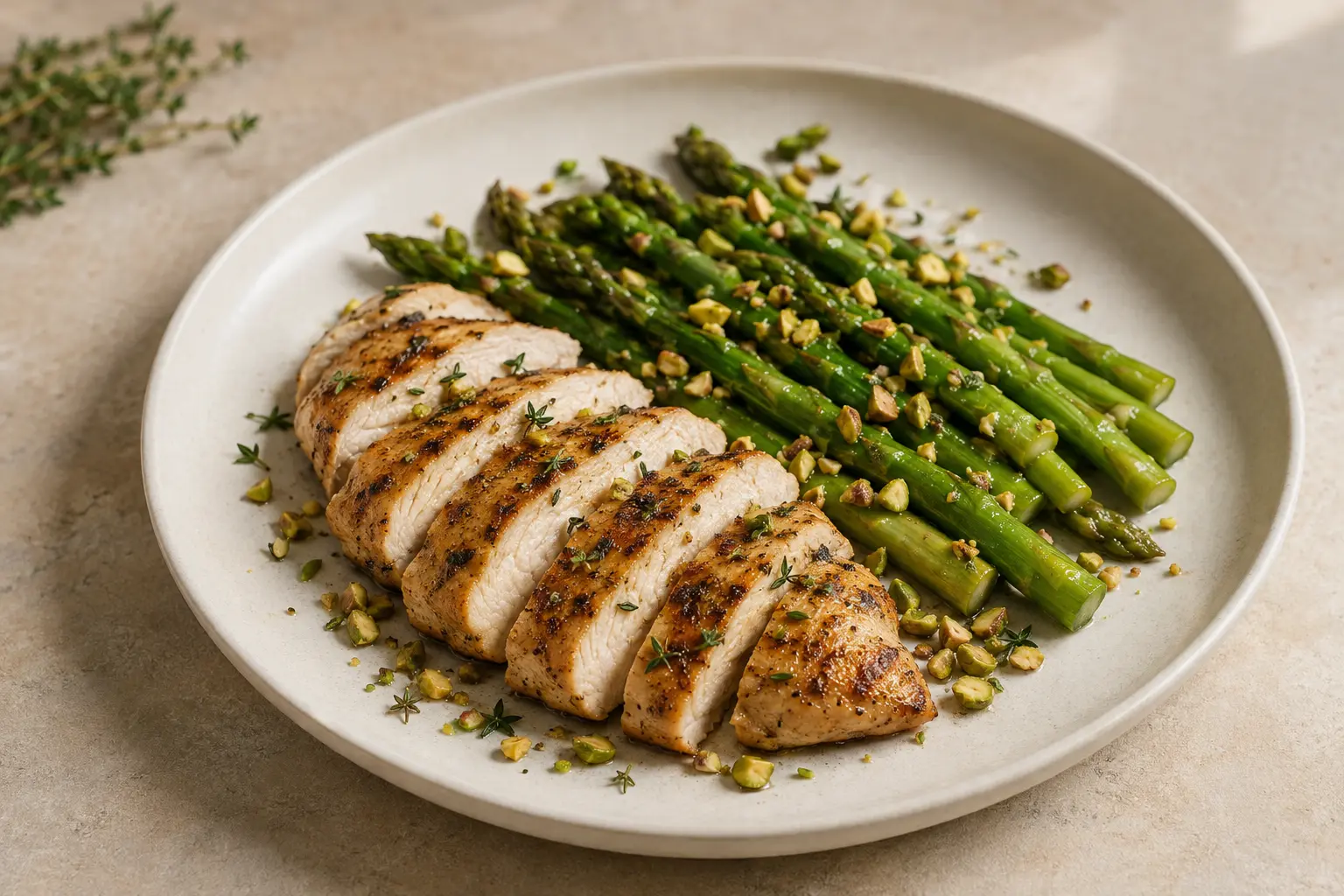
Menu planning
A good dinner-party menu needs a sequence that suits your kitchen. A salad, warm main, and dessert work together when all three do not demand your full attention just before serving. Choose the main course first, then select the other courses according to workload and the flavors you want.
Read article →Breakfast
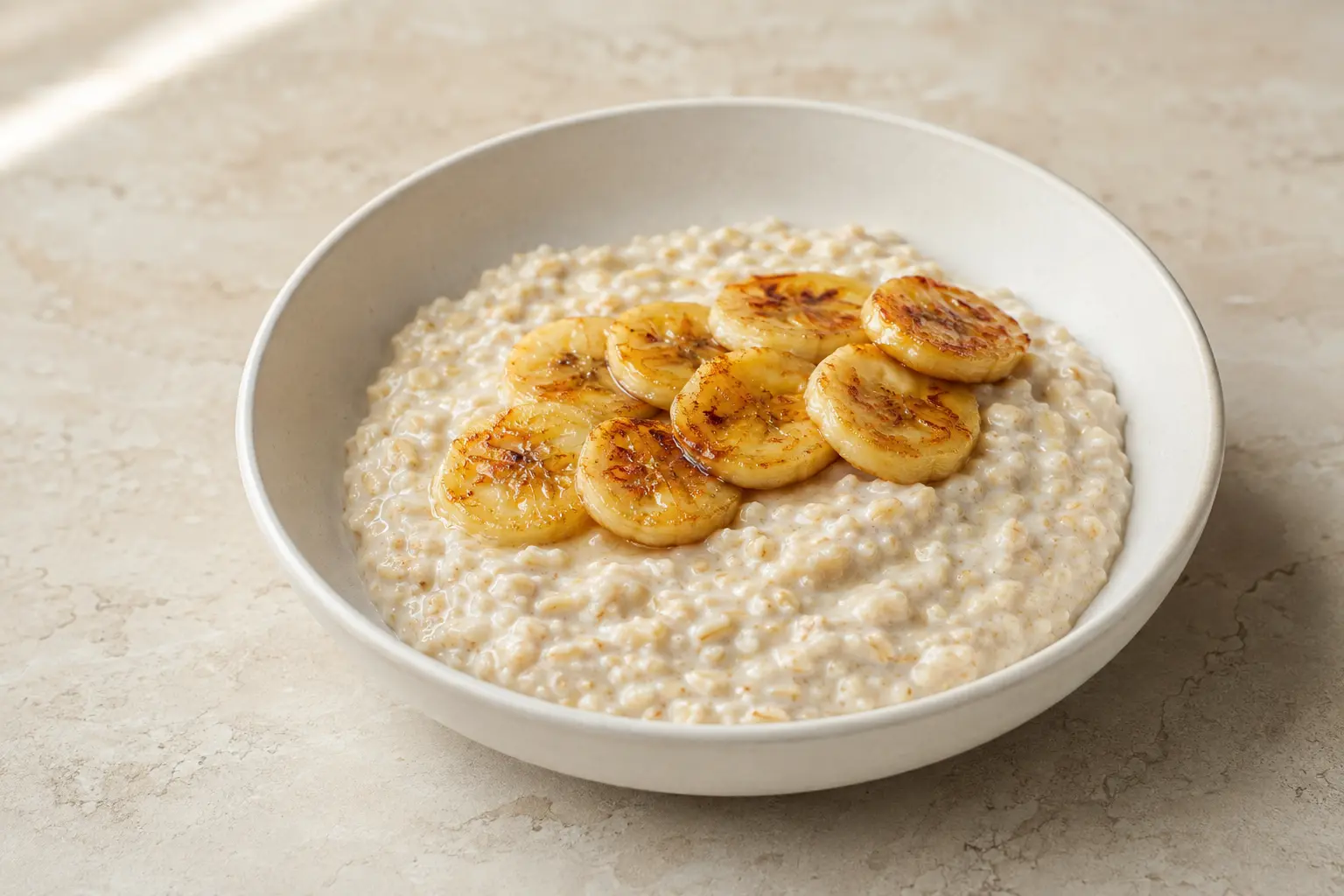
Oats do not have to taste the same every morning. Oatmeal with pan-seared bananas, apple-juice oatmeal with berries, and baked oatmeal differ in their basic structure. Decide first whether you want something creamy, fruit-forward, or more substantial. That makes choosing the right recipe much easier.
Read article →Breakfast
Choose a savory breakfast by the kind of meal you want. A poached egg on spinach has a different structure from scrambled eggs with tomatoes or bulgur with mushrooms and egg. Decide whether you want an egg-focused plate or a full grain-based dish before setting quantities and additions.
Read article →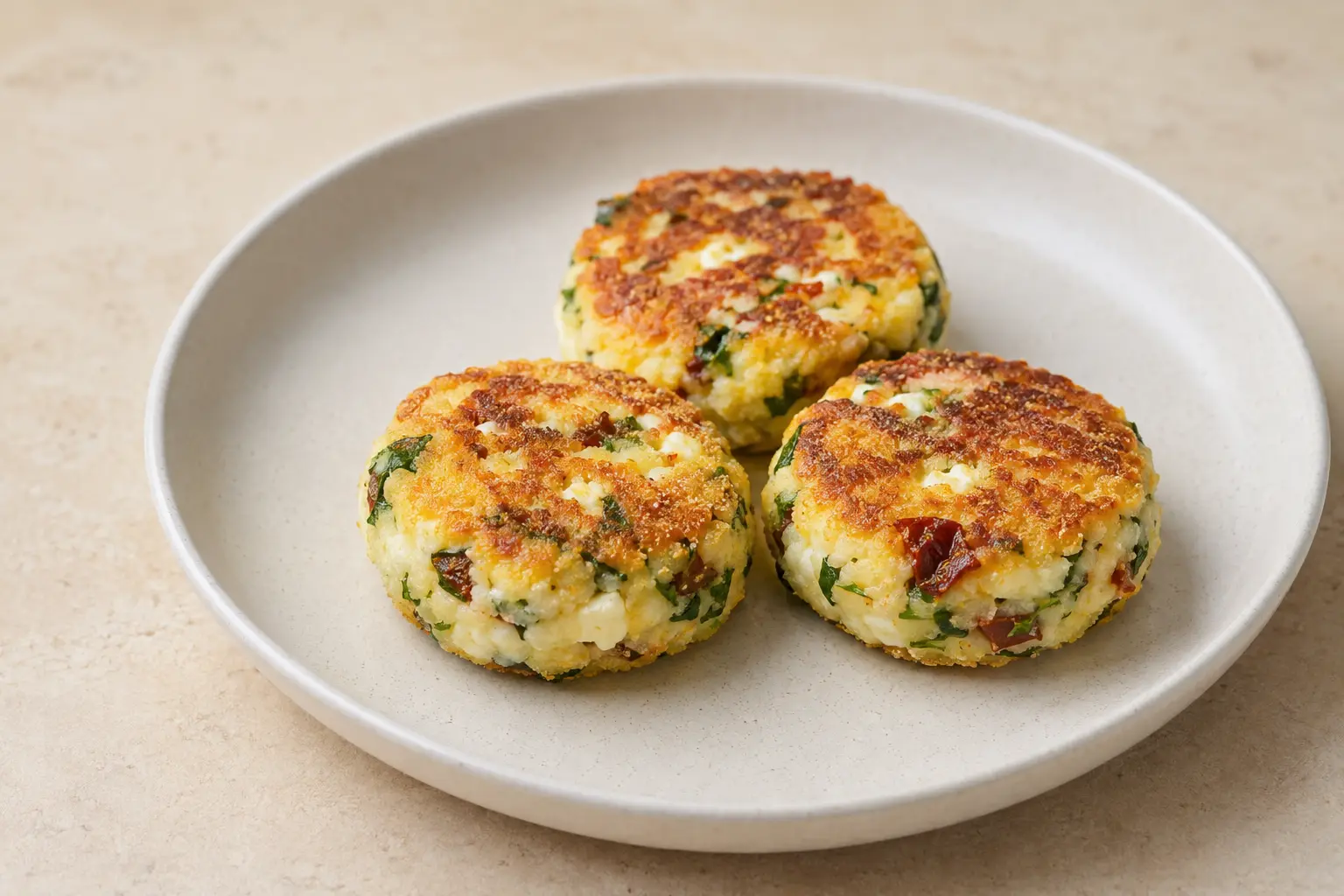
Breakfast
Fresh dairy cheese can be seasoned for a savory dish, baked into a casserole, or served with fruit. Those uses do not necessarily need the same consistency. Herb pancakes, a baked cheese dish, and whipped cheese are separate recipes. Decide whether the mixture needs to hold its shape, bake, or be spooned directly.
Read article →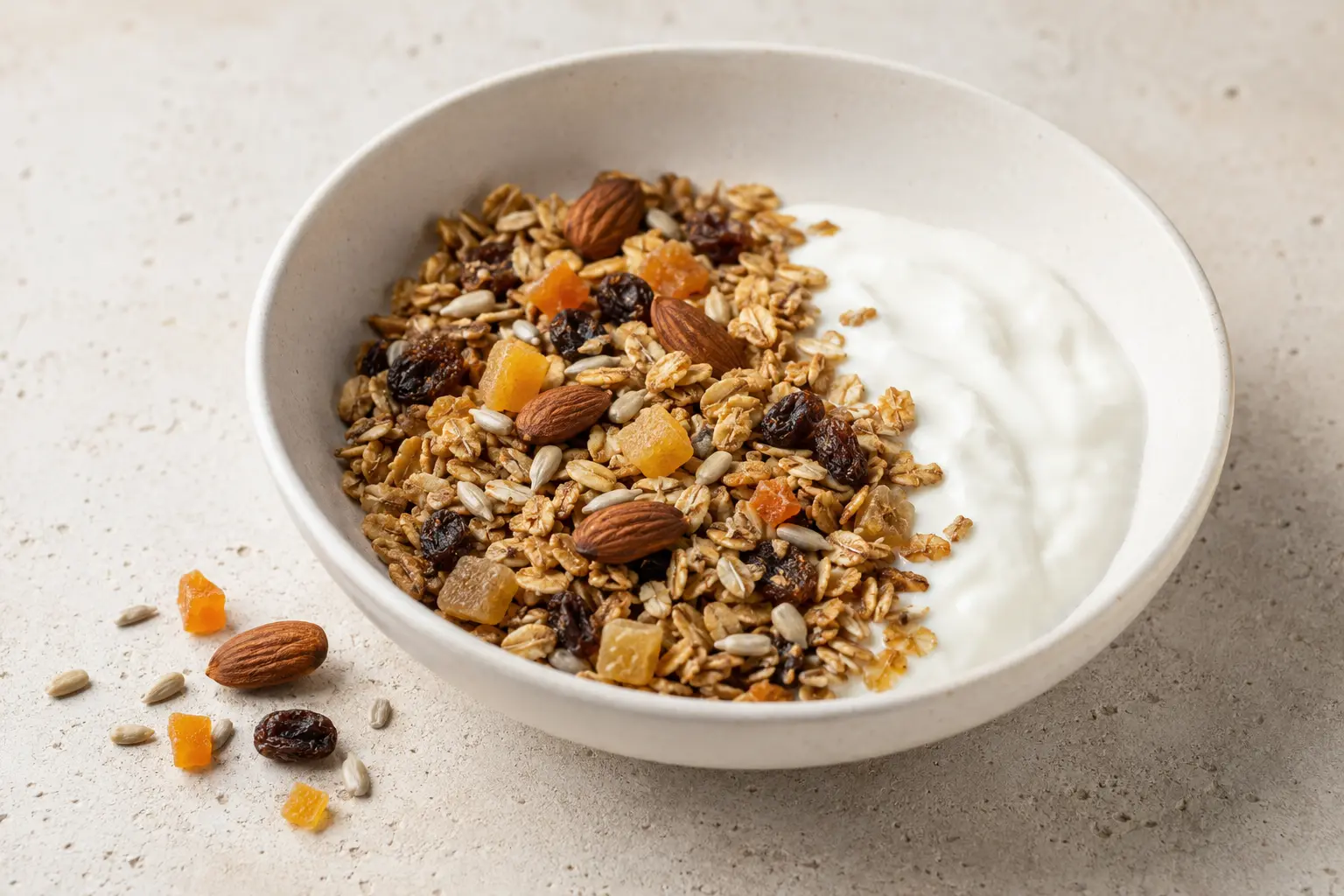
Breakfast
Granola, muesli, and baked oatmeal can share ingredients while producing quite different breakfasts. Decide whether you prefer something crunchy, freshly mixed, or baked. Calling all three a grain breakfast tells you little about portions, additions, or preparation. Compare their complete ingredient lists instead.
Read article →Breakfast
Rice pudding with caramelized apples differs from the candied-fruit version in more than its name. Fresh and candied fruit bring different textures and sweetness. Choose the version according to the result you want, then check its quantities rather than treating the two types of fruit as automatically equivalent.
Read article →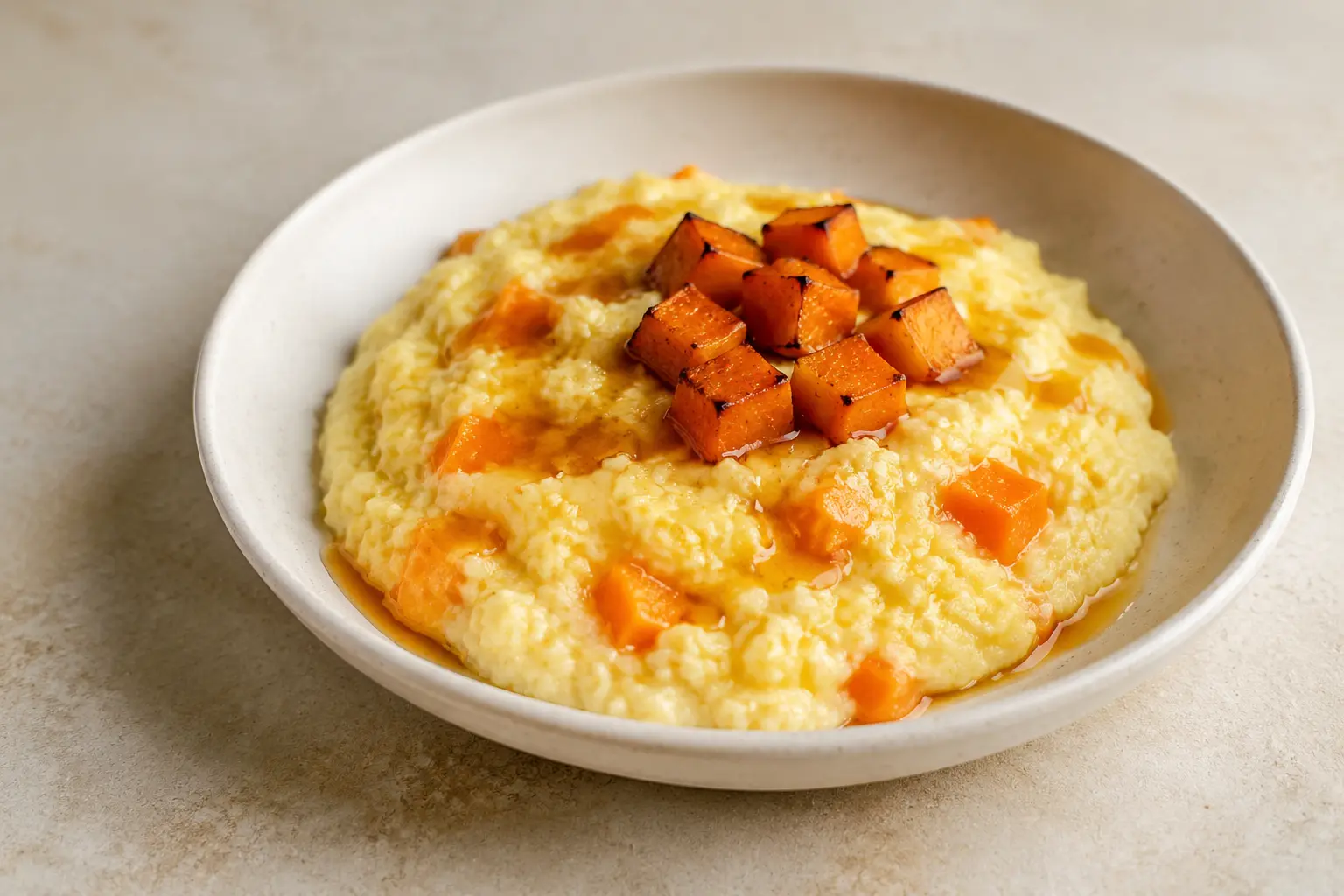
Breakfast
Pumpkin can give breakfast a distinctive flavor without making every addition sweet. In cornmeal porridge with pumpkin, consistency, liquid, and vegetable preparation matter most. Use the recipe to decide whether the pumpkin should blend into the mixture or remain in noticeable pieces.
Read article →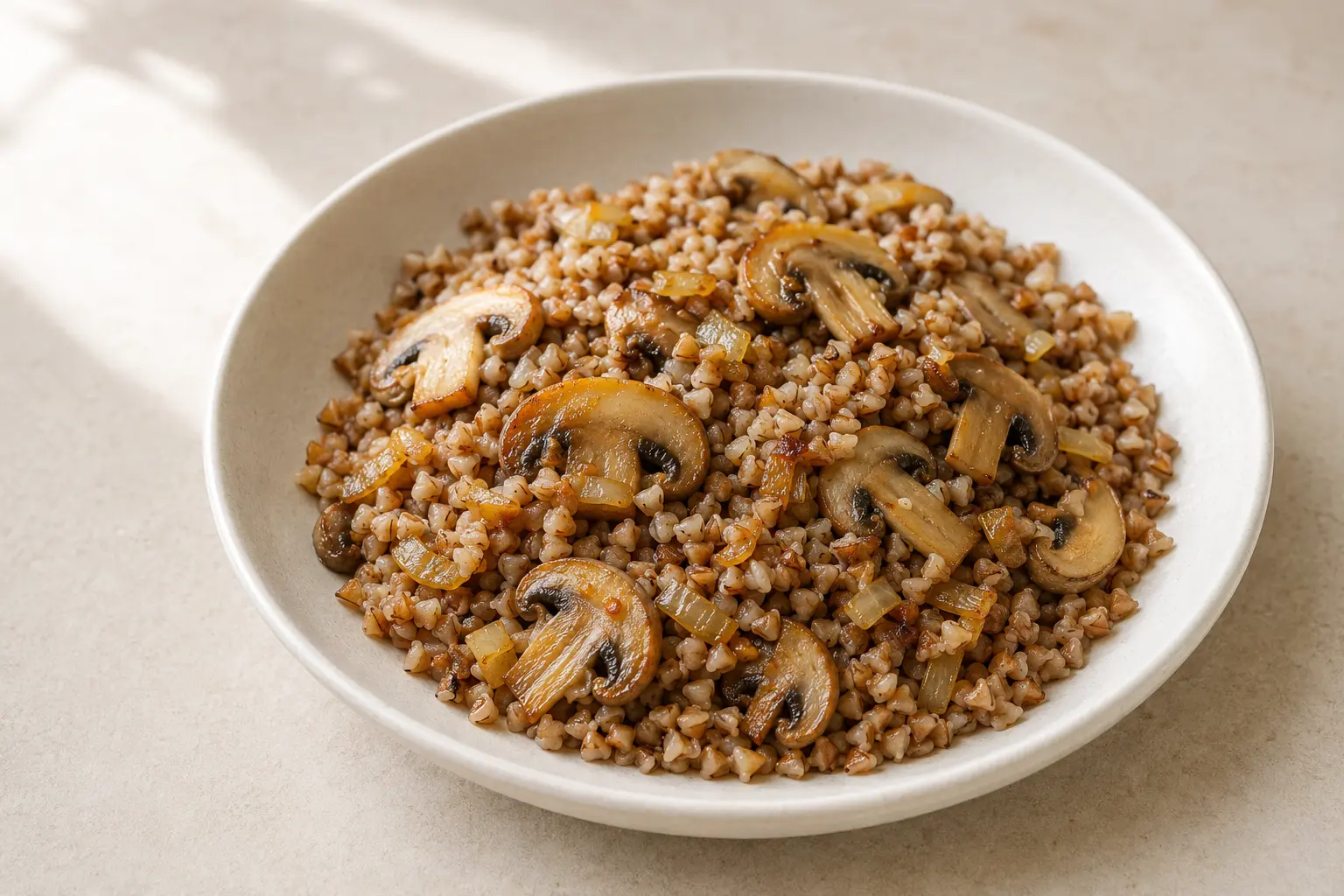
Breakfast
A savory grain breakfast might feature buckwheat with mushrooms or bulgur with egg. Both dishes have a different structure from sweet porridge. Start with the combination of grain, vegetables, and additional components you want. The names alone do not tell you whether quantities can be transferred between recipes.
Read article →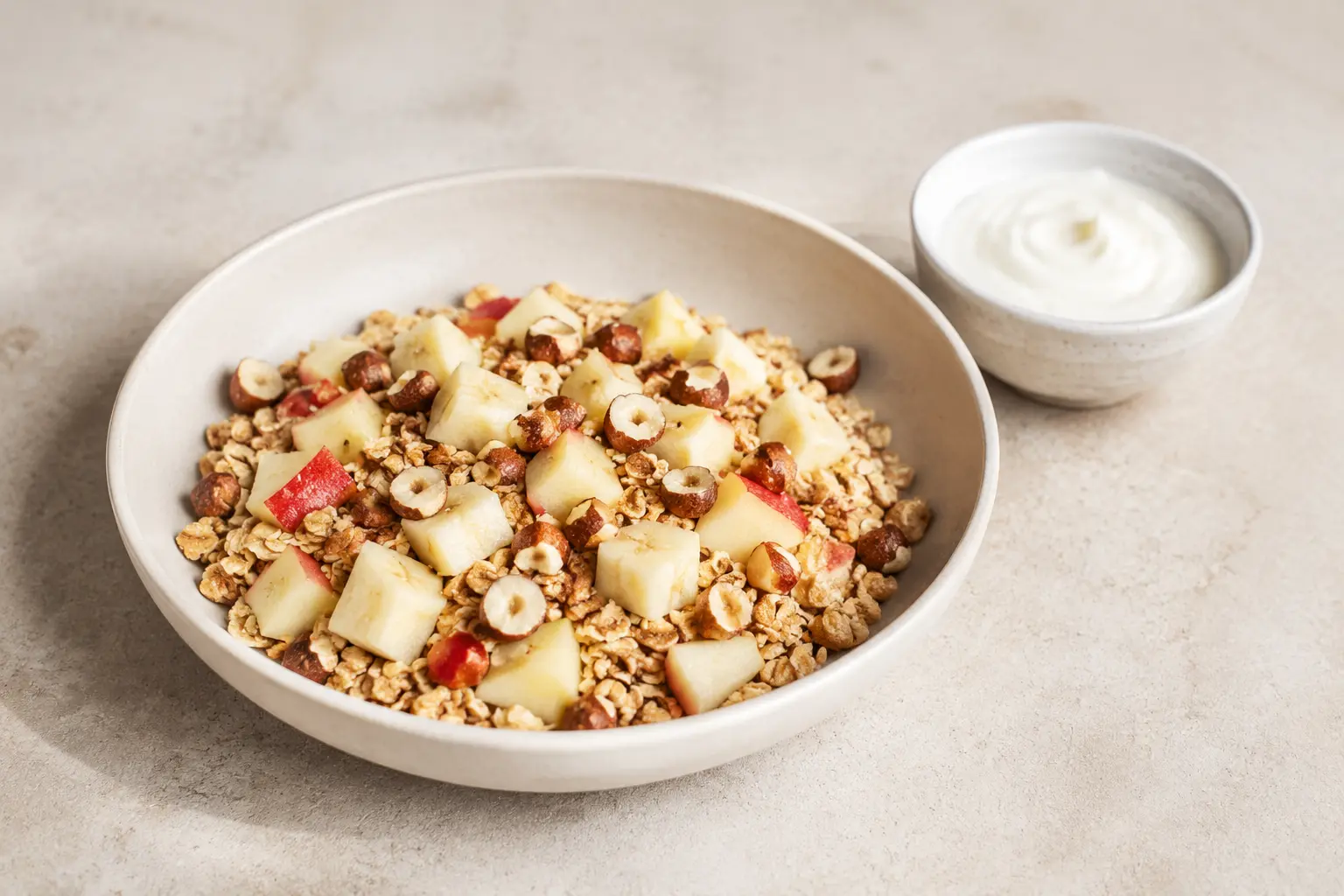
Breakfast
A workday breakfast plan should fit the time you actually have. Choose two or three dishes whose ingredients you enjoy buying and whose preparation you understand. Muesli, savory cottage-cheese pancakes, and scrambled eggs offer different formats. The deciding factor is how well they fit your morning routine.
Read article →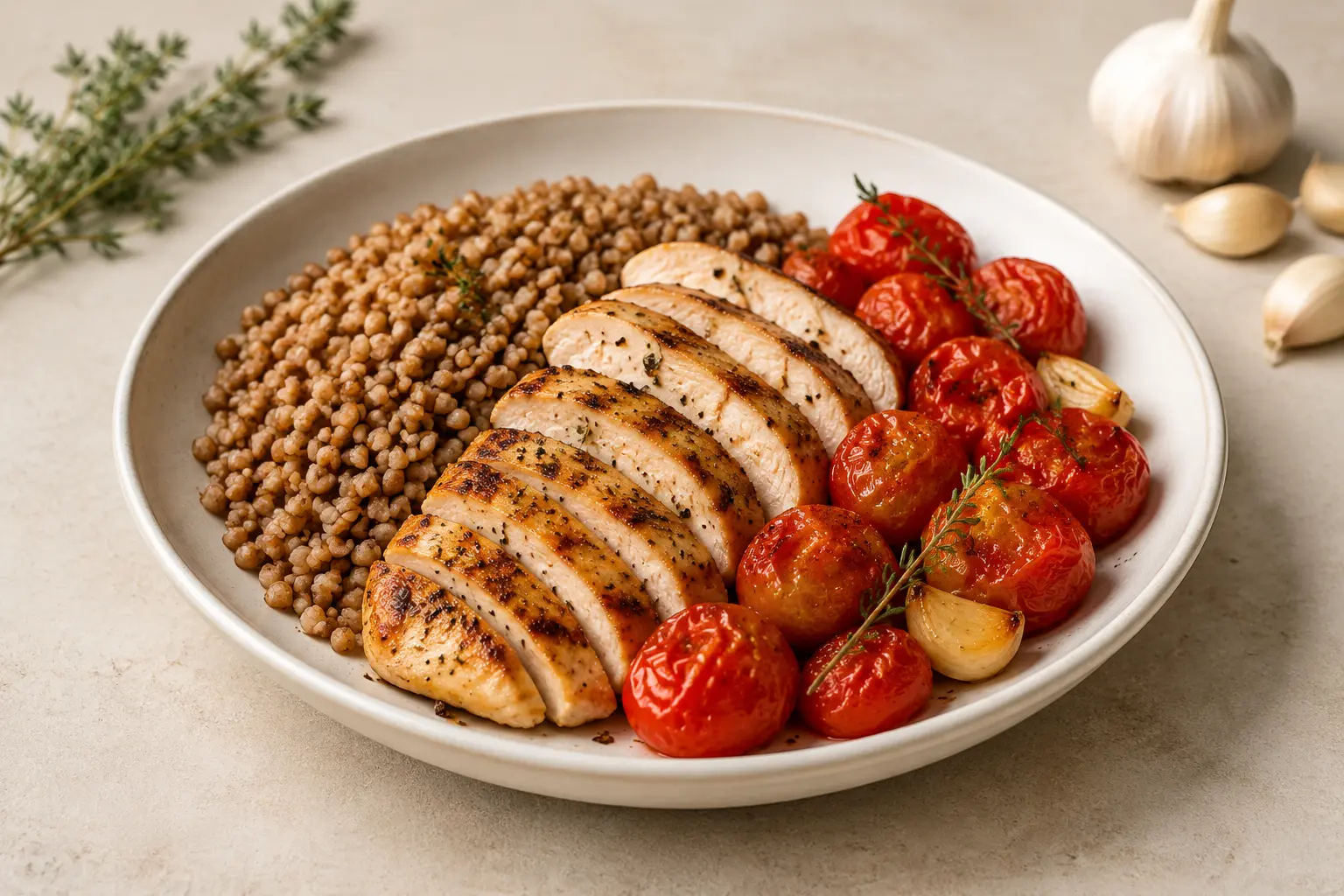
Main dishes
Chicken breast with buckwheat, a Mexican-style version, and chicken with vegetables make three different meals. Their sides, seasonings, and composition create the difference. Choose the whole dish rather than just the main ingredient. Sharing chicken breast does not make their portions or nutrition identical.
Read article →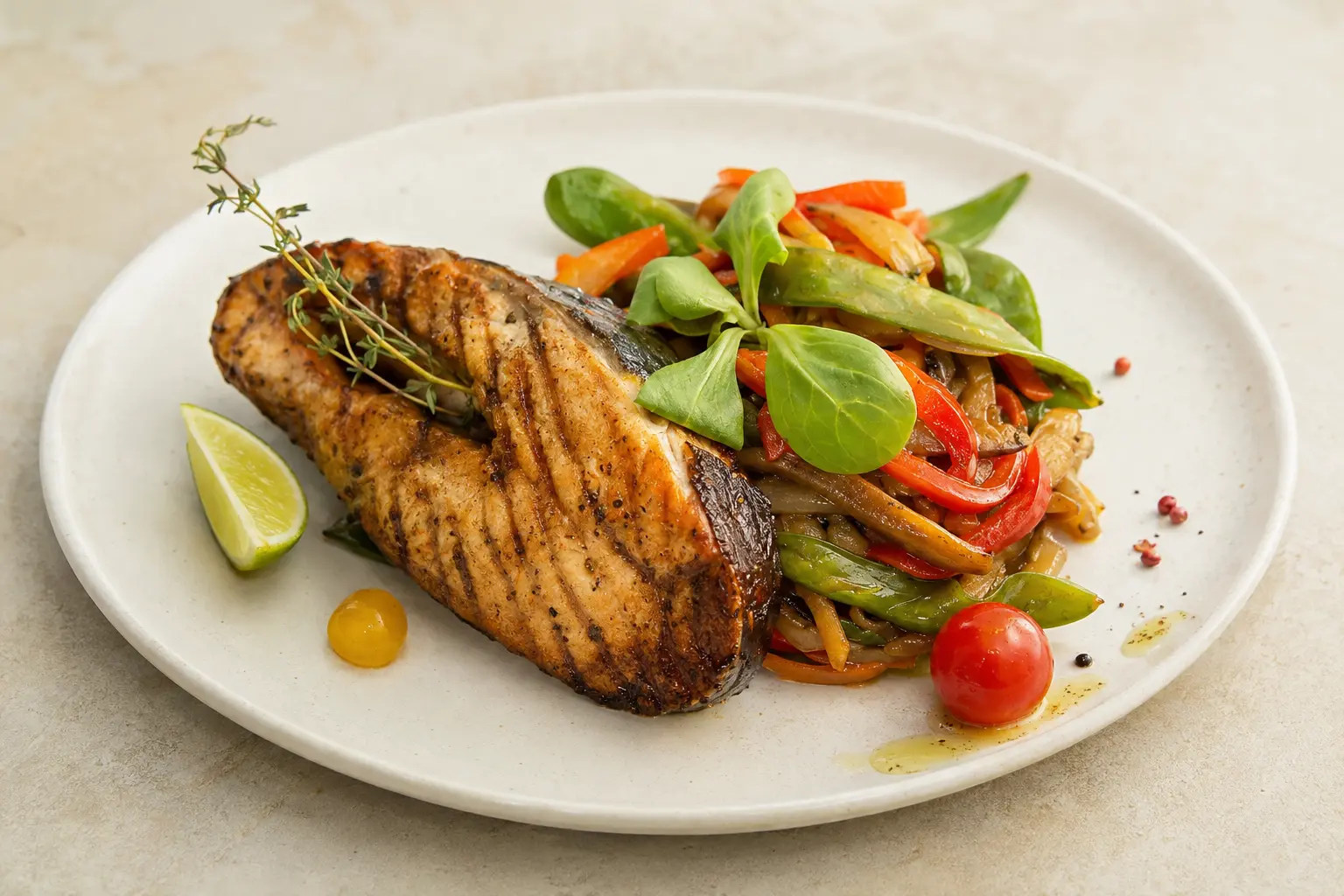
Main dishes
Salmon with grilled vegetables and salmon with wok vegetables share a focus but have different side-dish textures. A grill pan emphasizes contact area and cut shape, while wok cooking depends on coordinating smaller components. Choose the recipe that suits your equipment and the vegetable result you want.
Read article →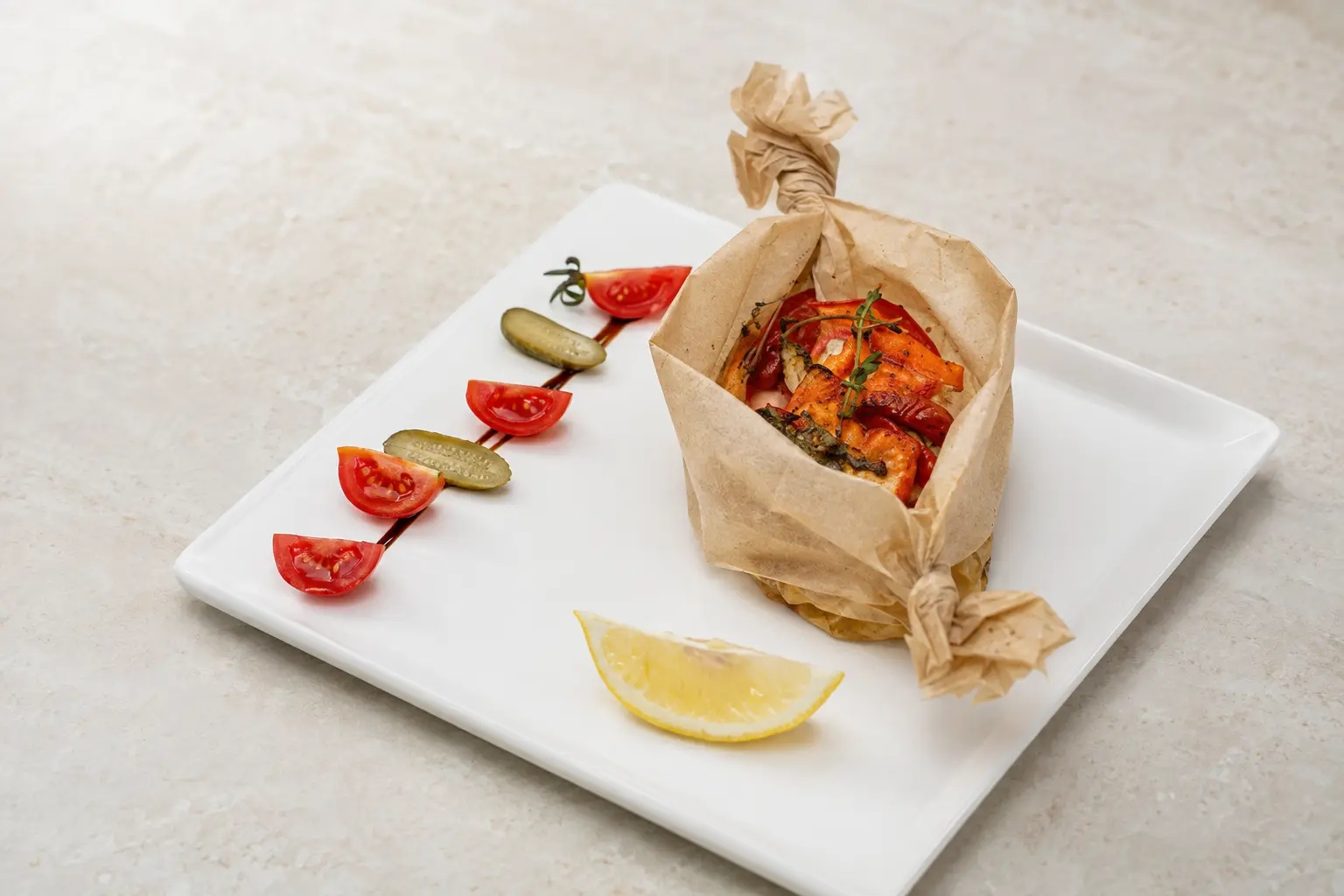
Main dishes
Parchment-baked fish, trout with vegetables, and salt-crusted sea bream represent different oven methods. Their wrapping or surroundings change the workflow and presentation. Choose the recipe you intend to cook before proceeding. Preparation and cooking times cannot simply be transferred from one method to another.
Read article →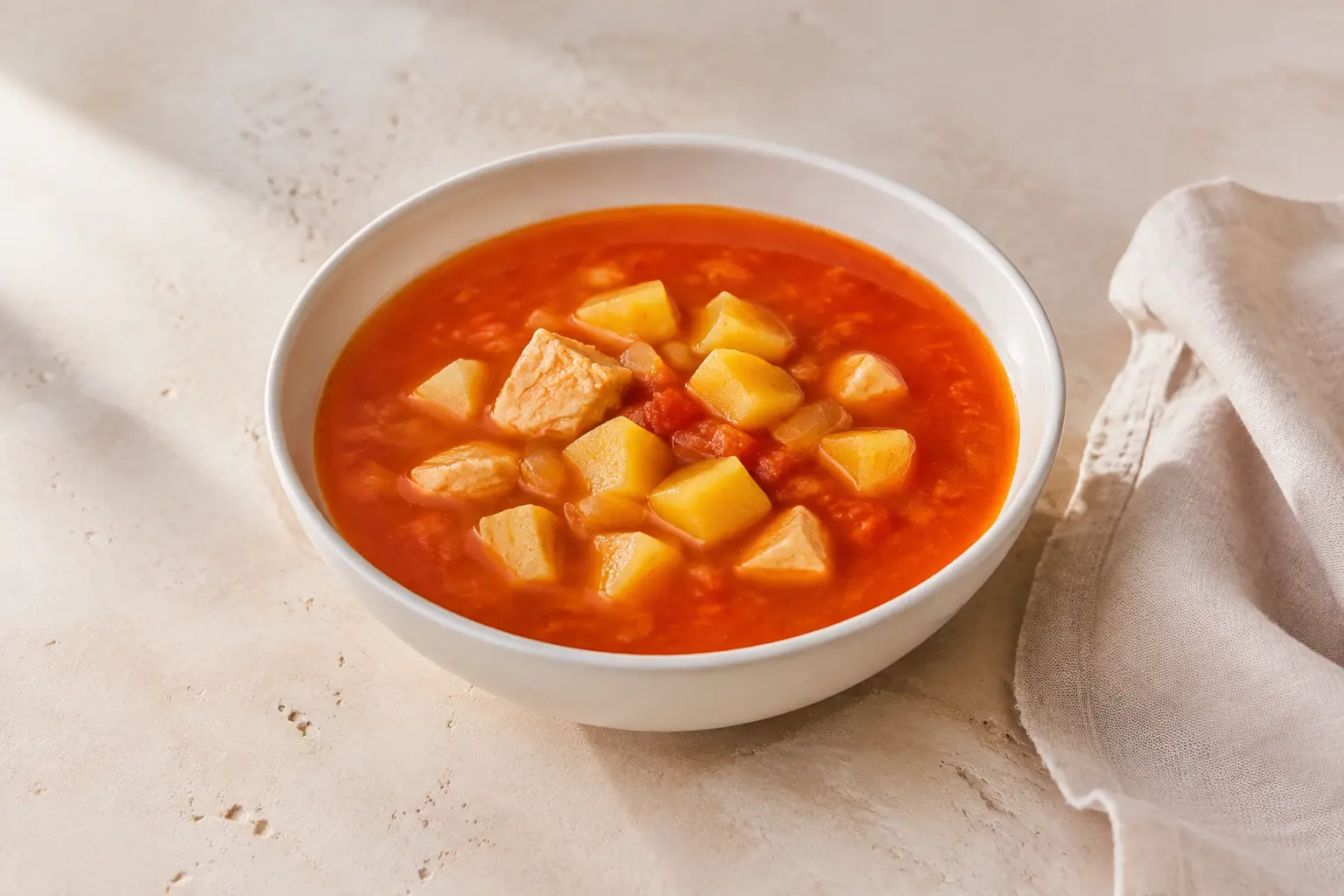
Main dishes
Tomato soup with chicken, gazpacho, and minestrone are not interchangeable versions of the same meal. They differ in serving temperature, ingredients, and texture. Decide whether the soup is a separate course or part of a larger meal before choosing its recipe and serving size.
Read article →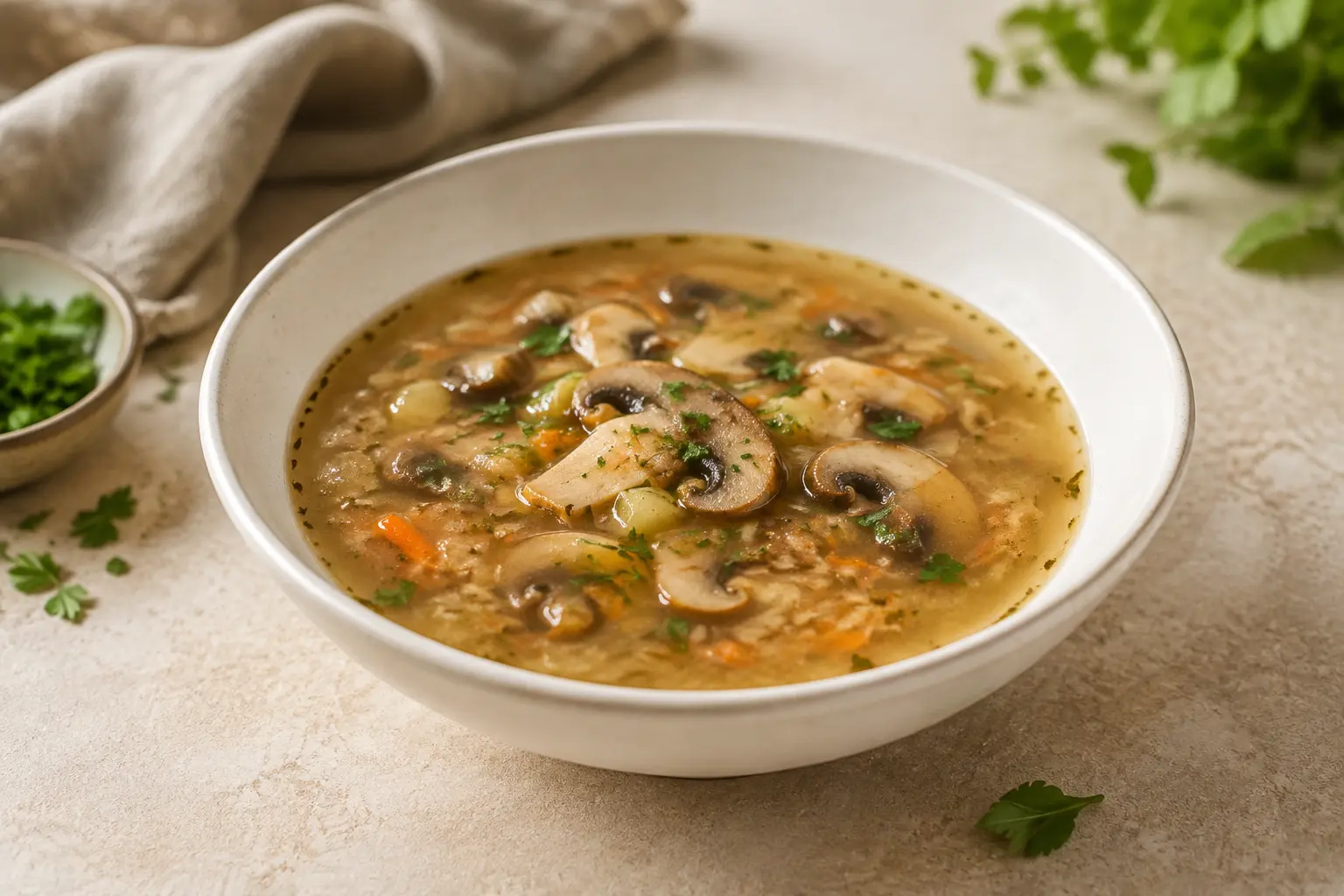
Main dishes
Soup can be creamy, chunky, or grain-focused. Mushroom soup, buckwheat soup with mushrooms, and bean soup illustrate those differences. Do not choose only by the main word in the title. The other ingredients and intended portion determine how a dish fits into your menu.
Read article →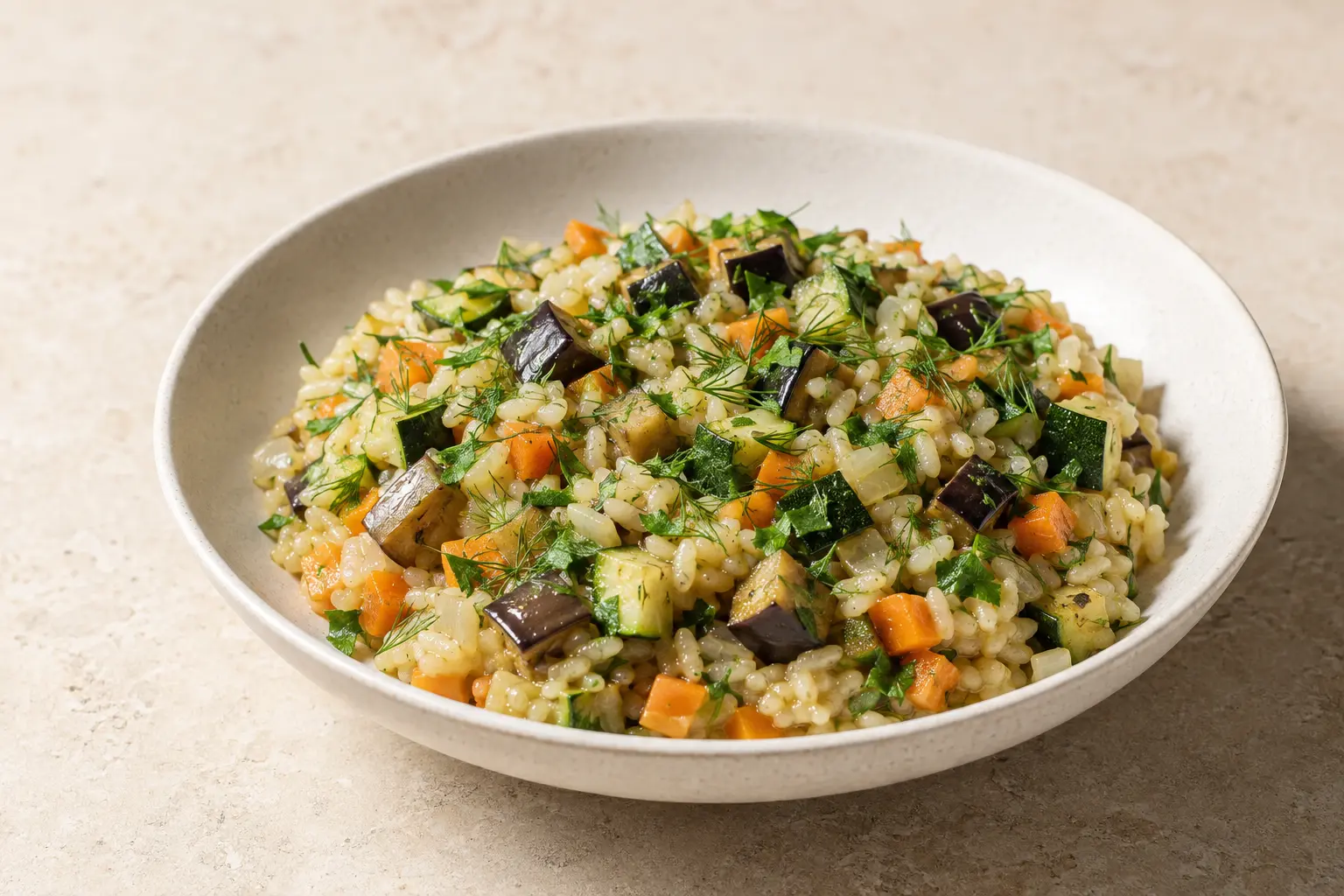
Main dishes
Vegetable risotto, quinoa patties, and quinoa with green beans create three distinct plate structures: a cohesive dish, a shaped component, and a loose grain accompaniment. Start with the texture you want. This creates variety even when vegetables and seasonings overlap on the shopping list.
Read article →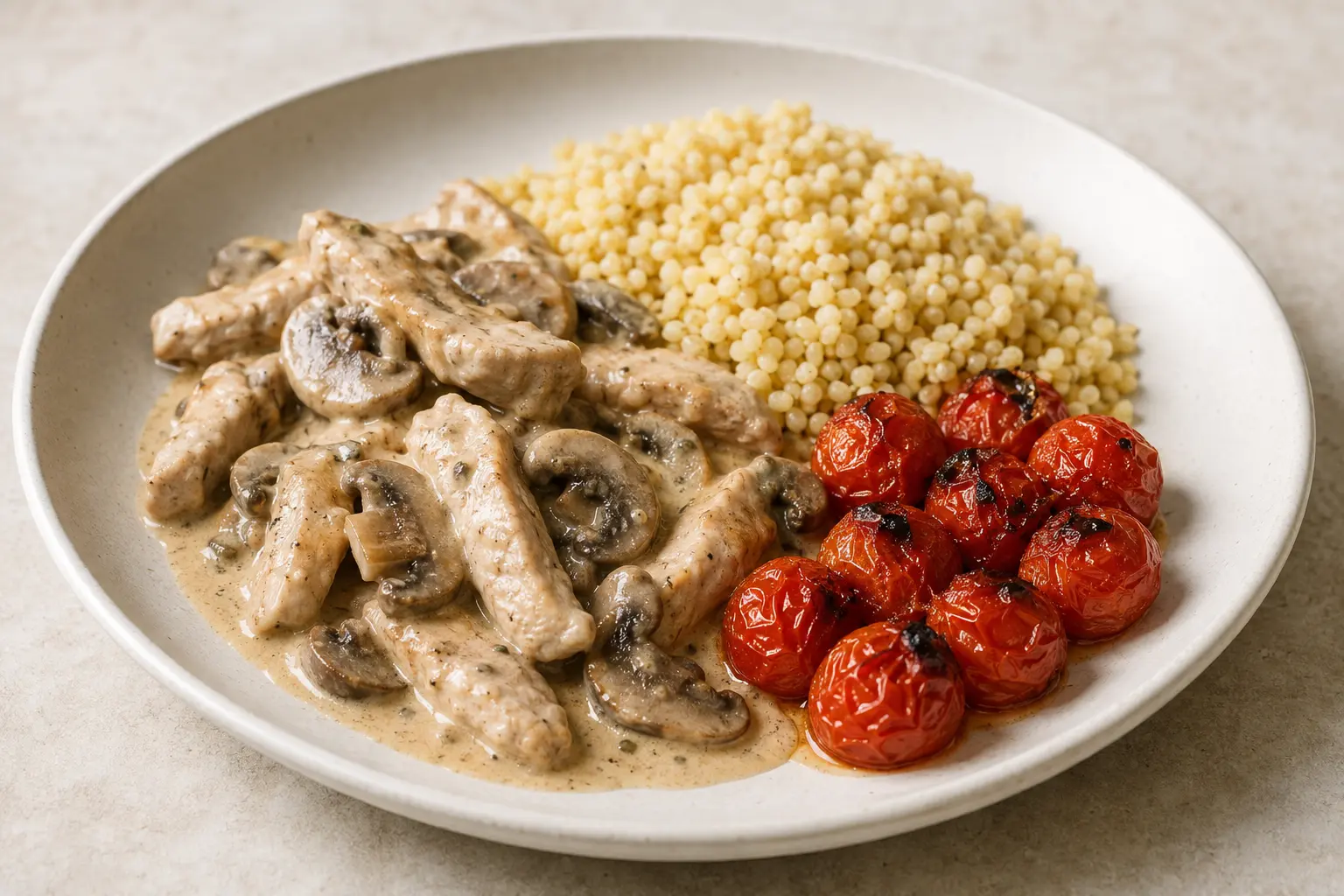
Main dishes
Turkey with a creamy sauce and bulgur, a fruit-based version, and another turkey dish can occupy different places in a weekly menu. Using the same meat does not require repeating the same flavor. Compare the sauces, sides, and fruit components in the complete recipes first.
Read article →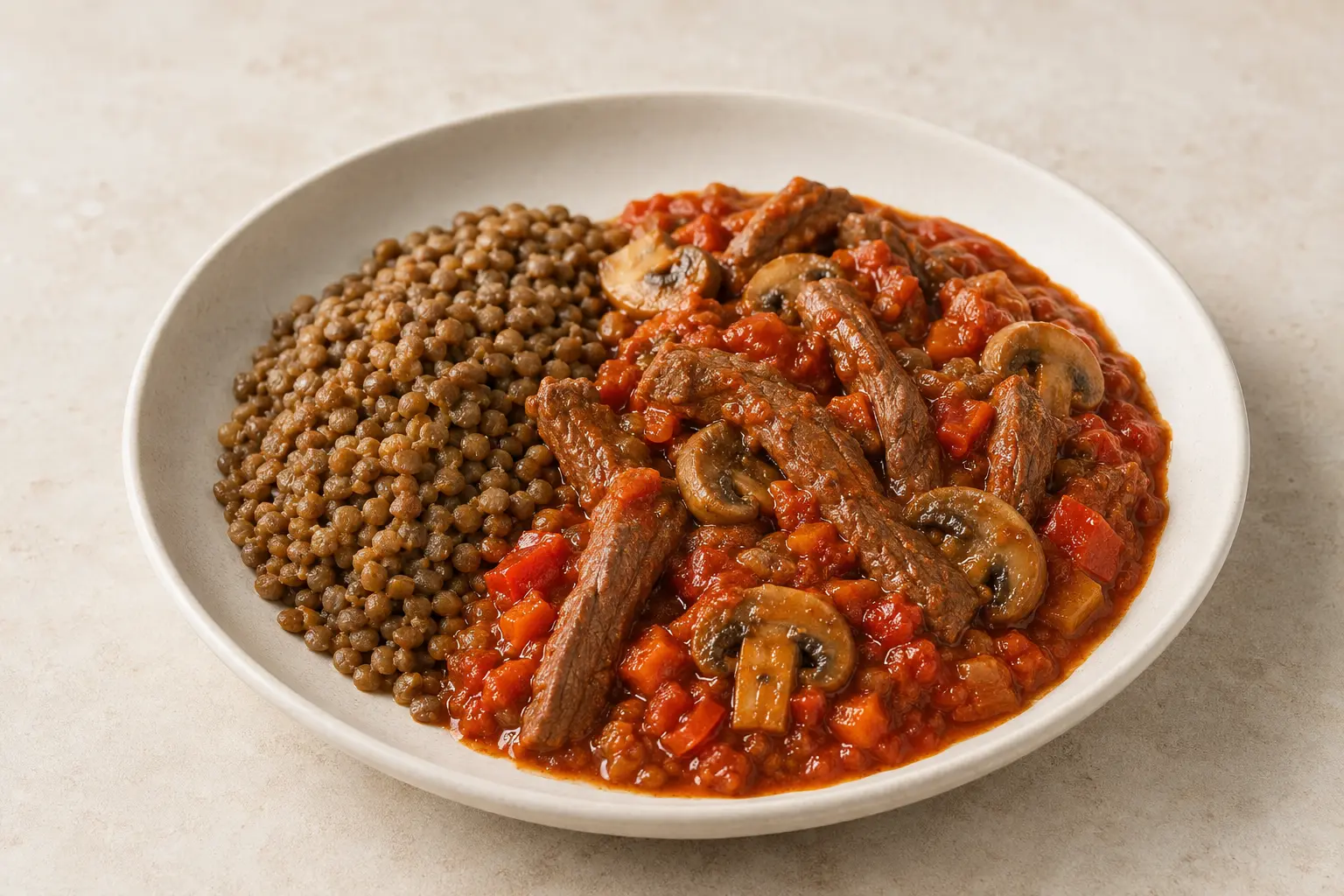
Main dishes
Beef with mushrooms, beef with prunes and whole-wheat noodles, and meatballs in tomato sauce show how strongly accompaniments shape a meal. Compare more than the meat component when planning your menu. Pasta quantity, sauce, and other ingredients all belong in the decision.
Read article →Main dishes
These salads share Mediterranean ingredients but have different centers of attention. Cheese, tomatoes, and bread play distinct roles in Greek salad, Caprese, and panzanella. Choose by the complete dish rather than by a general expectation of what a salad contains.
Read article →