From the kitchen
Plan thoughtfully. Cook confidently.
50 practical articles, with matching recipes from our collection.
Created with AI. Publication may be automated. About our content and editorial process
Main dishes
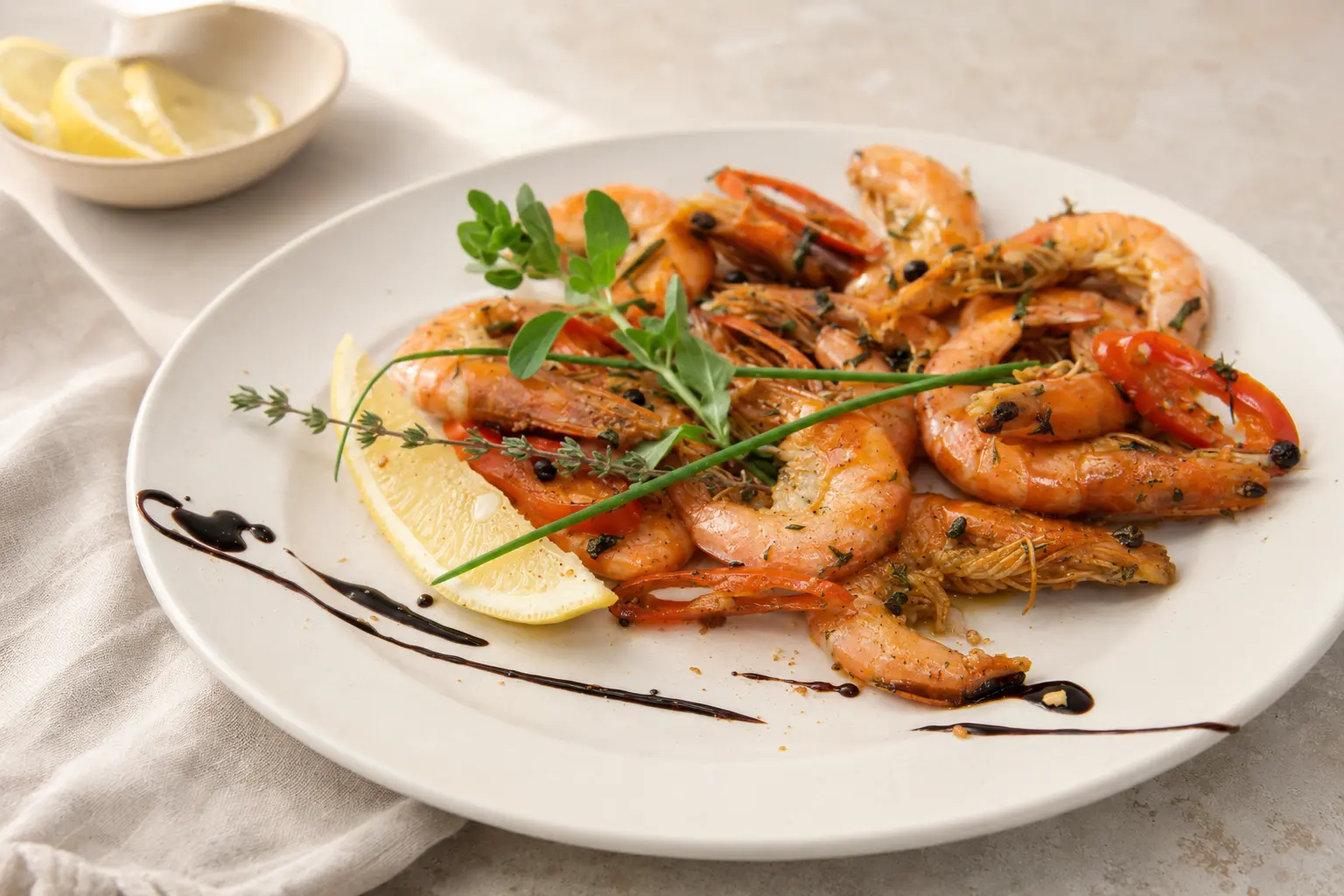
Spanish-style shrimp, mussels, and seafood soup call for different purchasing decisions. Look beyond the total package weight. Shells, ice glaze, prepared products, and the mix of species affect how much edible material reaches the finished dish.
Read article →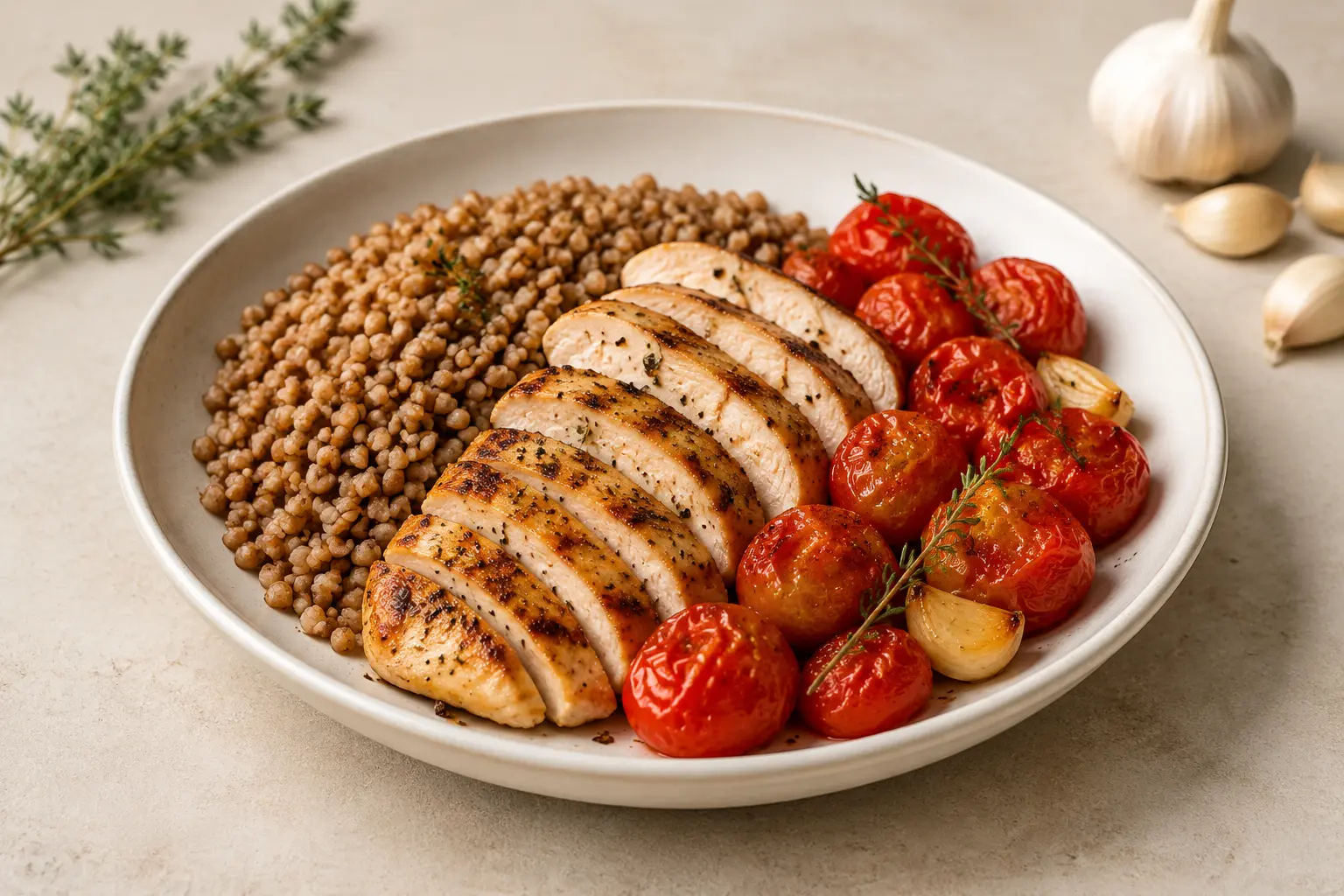
Cooking techniques
Start with the serving basis, then read the complete ingredient list and method. Chicken with buckwheat, fish cakes, and vegetable risotto require different preparation. Identify ingredients that should already be prepared and tasks that happen during cooking.
Read article →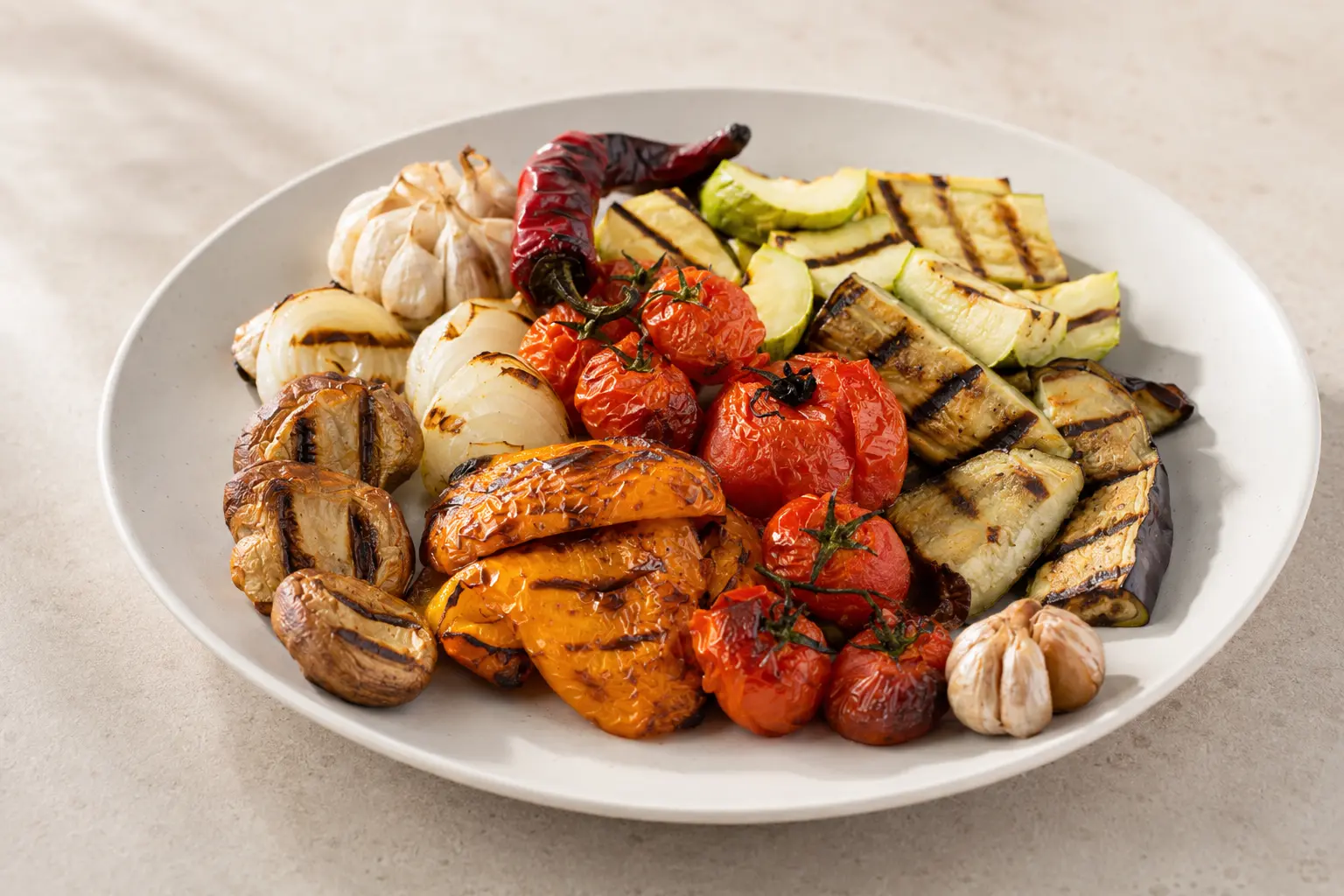
Cooking techniques
A grilled vegetable plate, chicken with vegetables, and scrambled eggs with tomatoes use produce in different roles. Cutting style affects distribution and handling. Avoid preparing every vegetable as though one universal dice size suits all recipes.
Read article →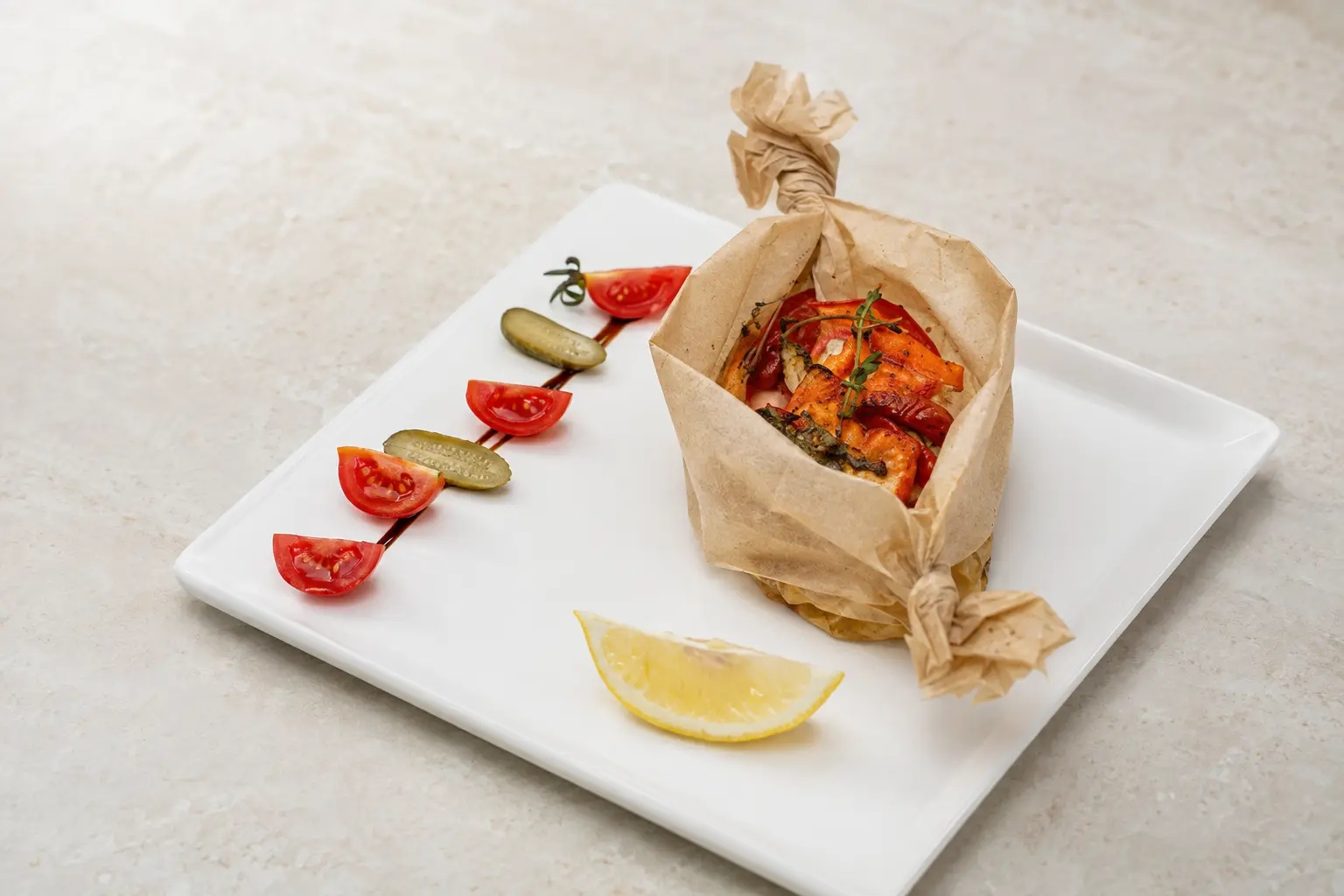
Cooking techniques
A closed parchment packet, a salt crust, and an uncovered oven preparation create different workflows. The collection includes fish recipes illustrating these approaches. Choose the method together with the fish’s form, size, and accompaniments rather than by the appliance name alone.
Read article →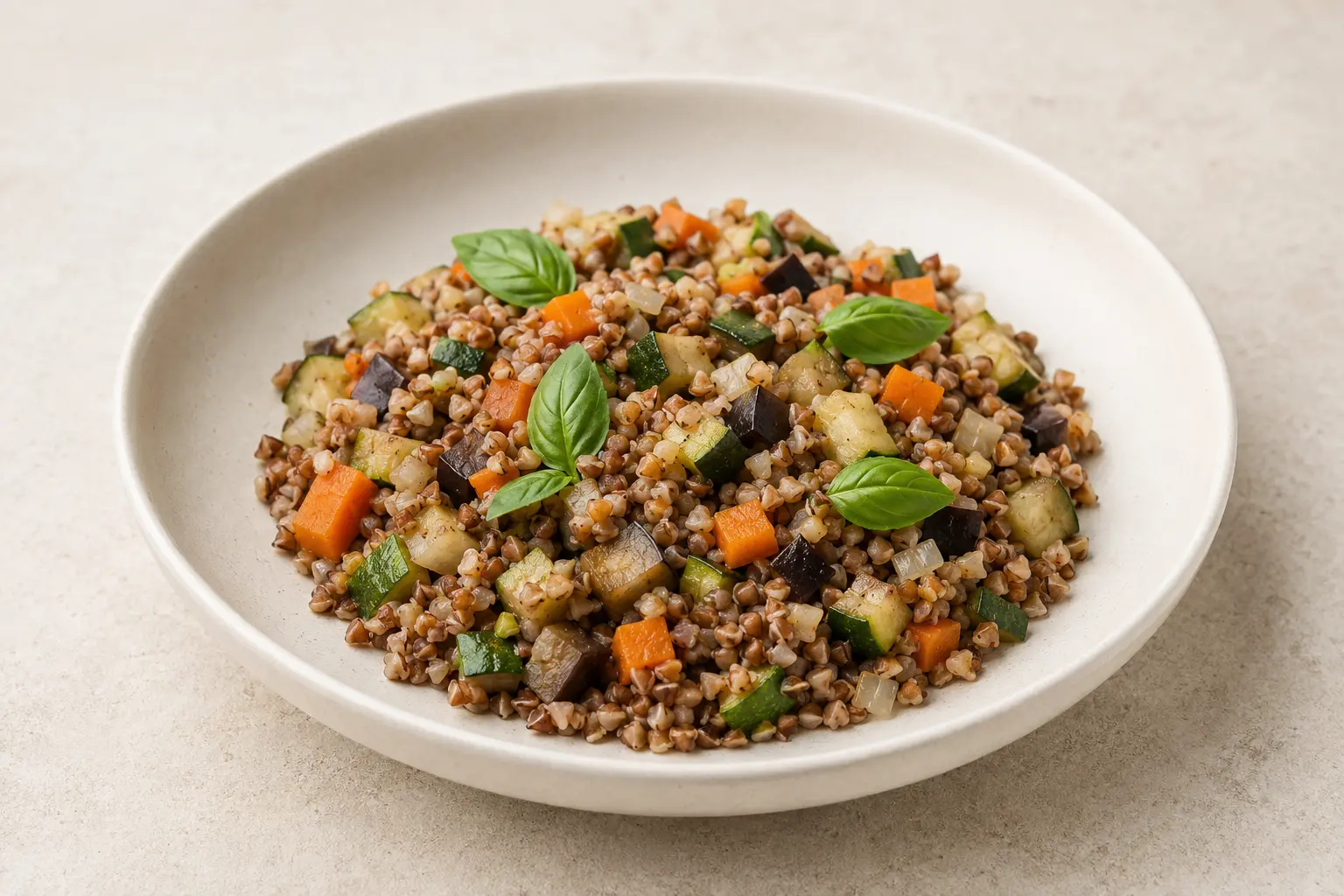
Cooking techniques
Buckwheat risotto, buckwheat with mushrooms, and a rice dish may appear to use comparable quantities. The important question is whether those quantities describe dry grain or a cooked product. Check that basis before shopping, adjusting servings, or entering nutrition data.
Read article →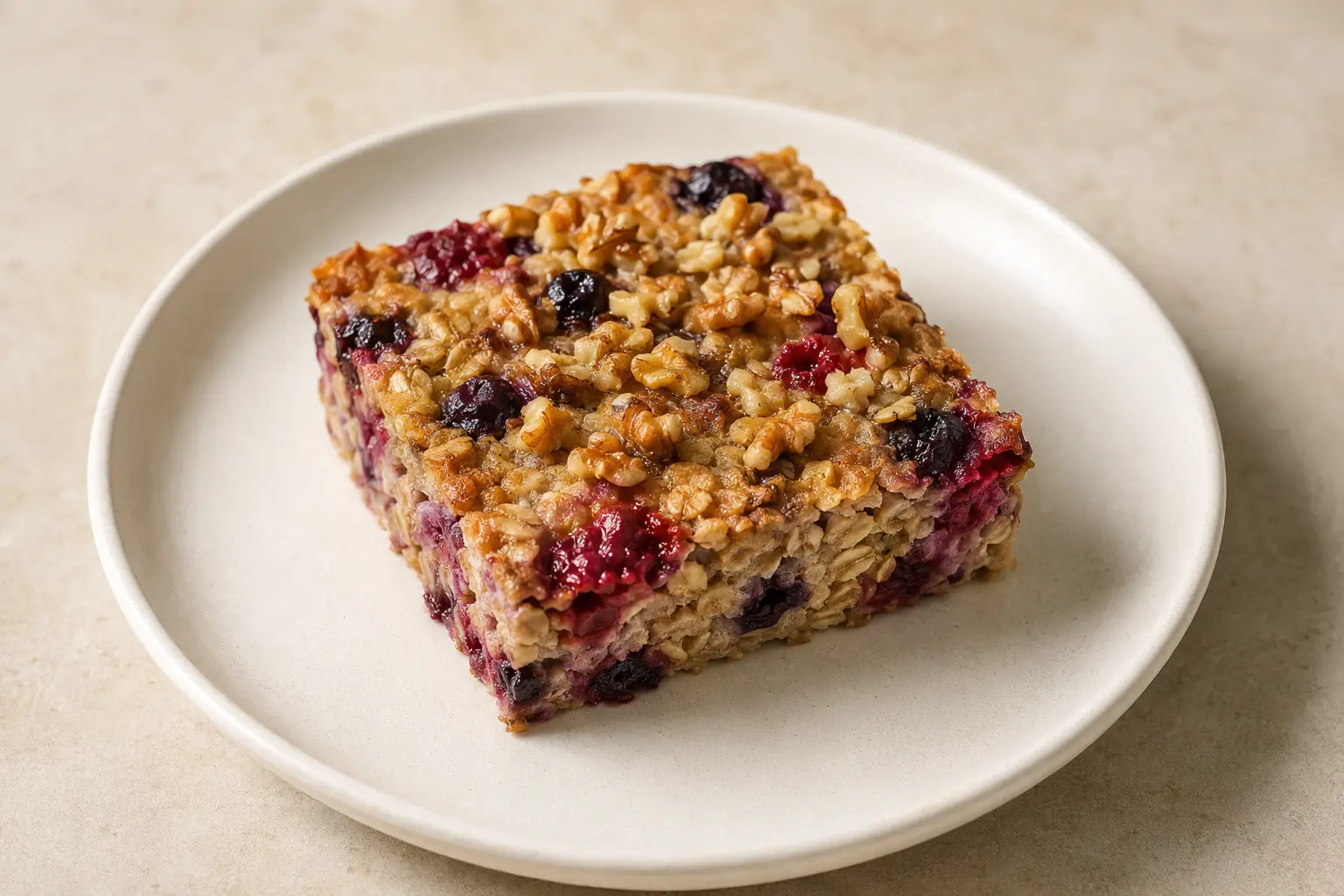
Cooking techniques
Baked oatmeal, a ricotta bake, and a whole-wheat apple tart depend on the pans used to prepare them. More ingredients need appropriate surface area and fill depth. The serving calculator multiplies ingredient quantities; it does not automatically choose a pan or establish a revised baking process.
Read article →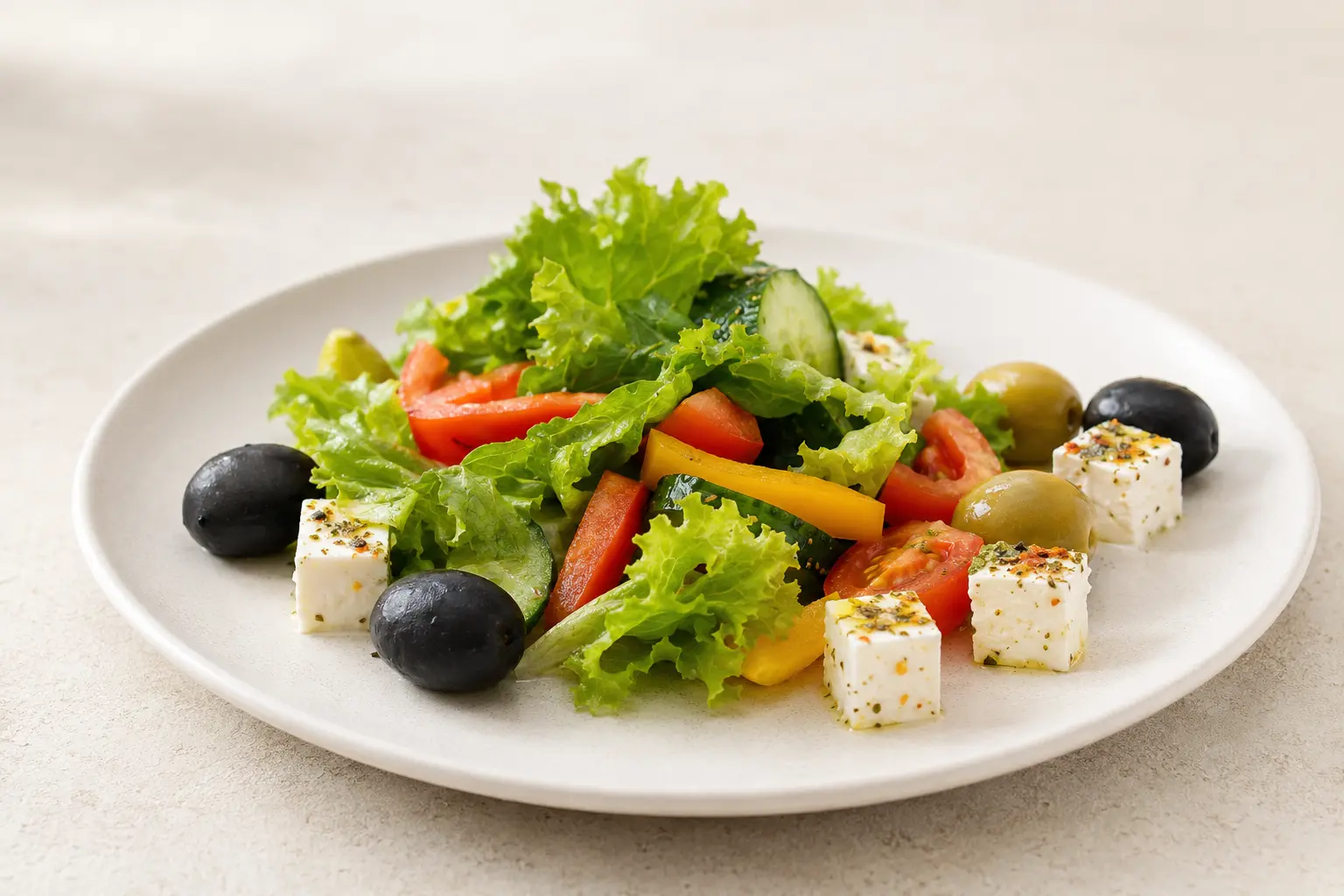
Cooking techniques
Vegetables, cheese, and fruit often draw attention first, but dressing belongs in a traceable recipe too. Greek salad, Mediterranean salad, and mixed greens with blueberries offer different combinations to compare. Read the dressing ingredients along with everything else on the plate.
Read article →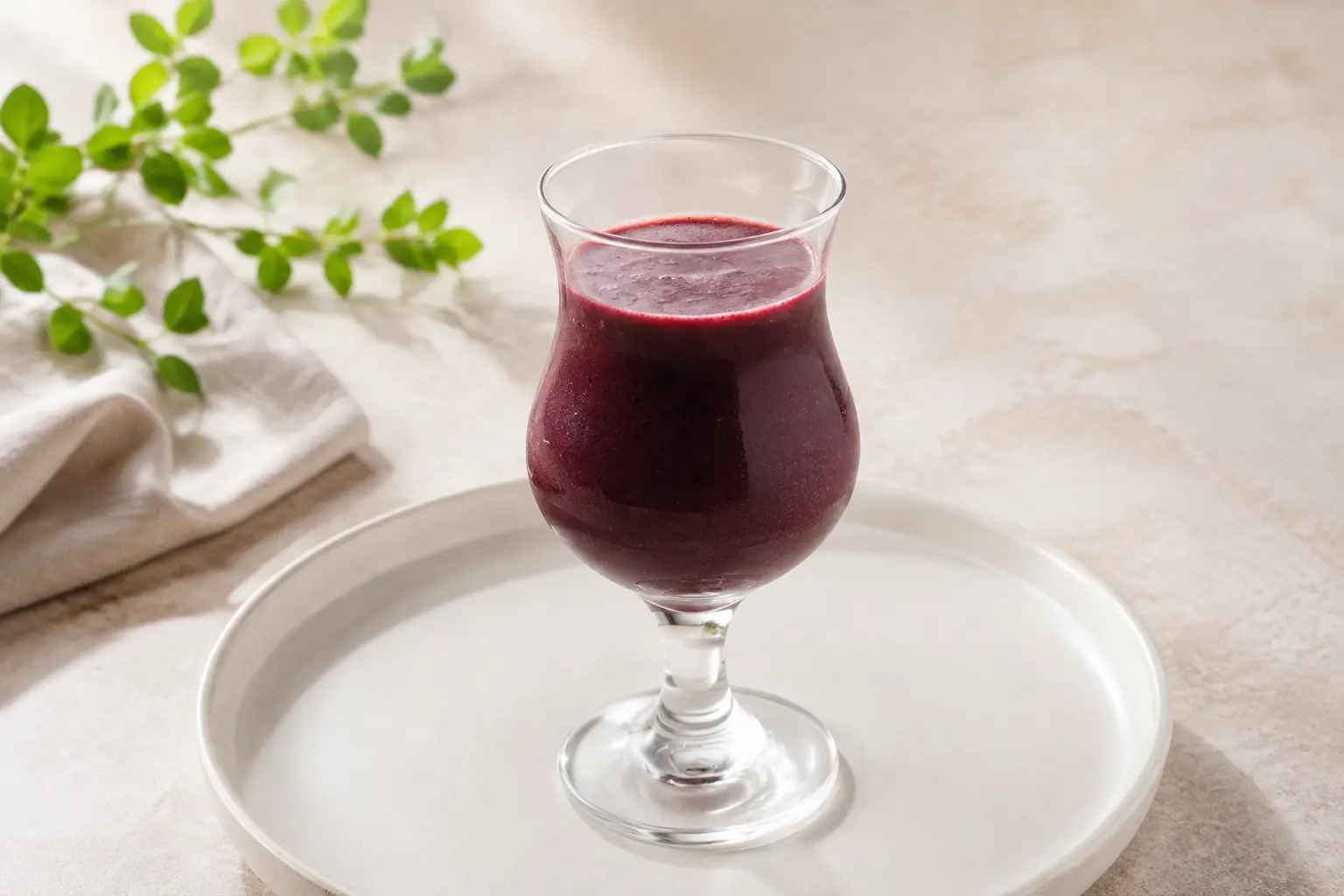
Cooking techniques
A smoothie glass is not a reliable measure of its ingredients. The Frutti, Mango, and Vita Mix smoothies use different recipes. First identify the fruits, liquids, and other components, then weigh them using the same basis as the recipe card.
Read article →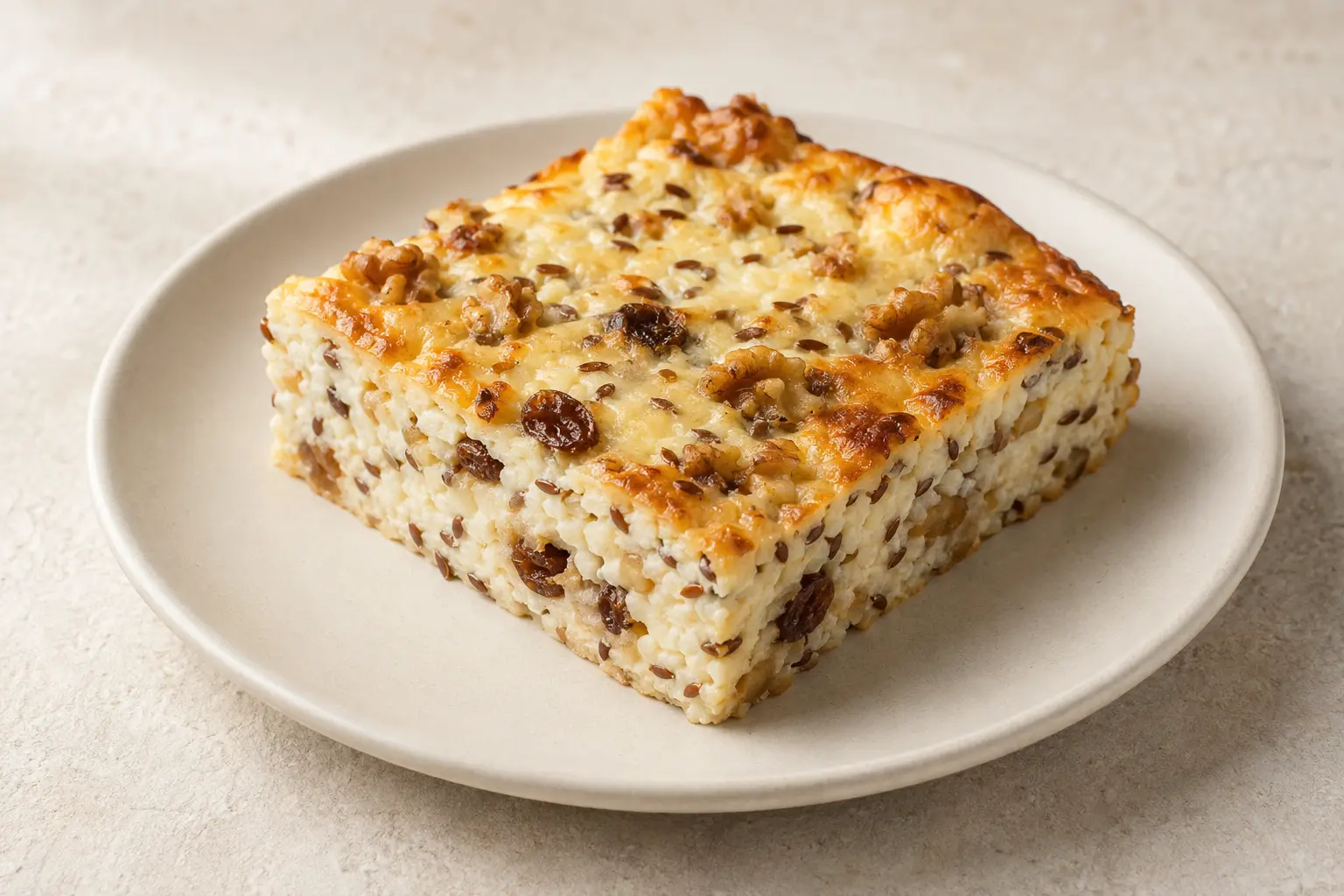
Cooking techniques
The serving control multiplies the ingredients of one original serving by your chosen factor. This is useful for a cottage cheese bake, fish cakes, or meatballs. Ingredient arithmetic is linear; cooking times, equipment size, and practical handling do not automatically follow the same rule.
Read article →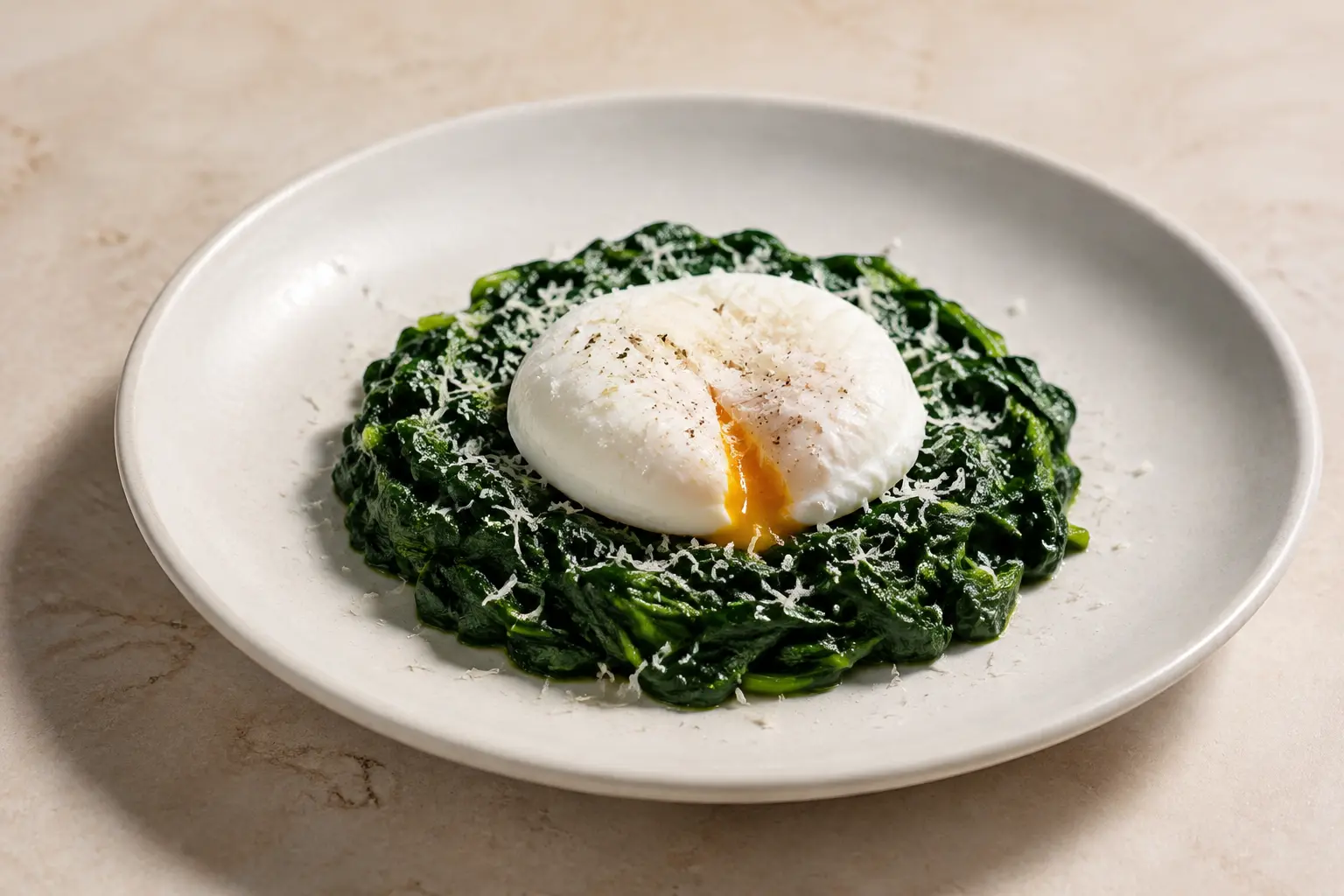
Cooking techniques
Poached egg with spinach, scrambled eggs with tomatoes, and bulgur with mushrooms and egg differ in more than their ingredients. They also need different preparation sequences and plating arrangements. Read the full recipe before starting several components at once.
Read article →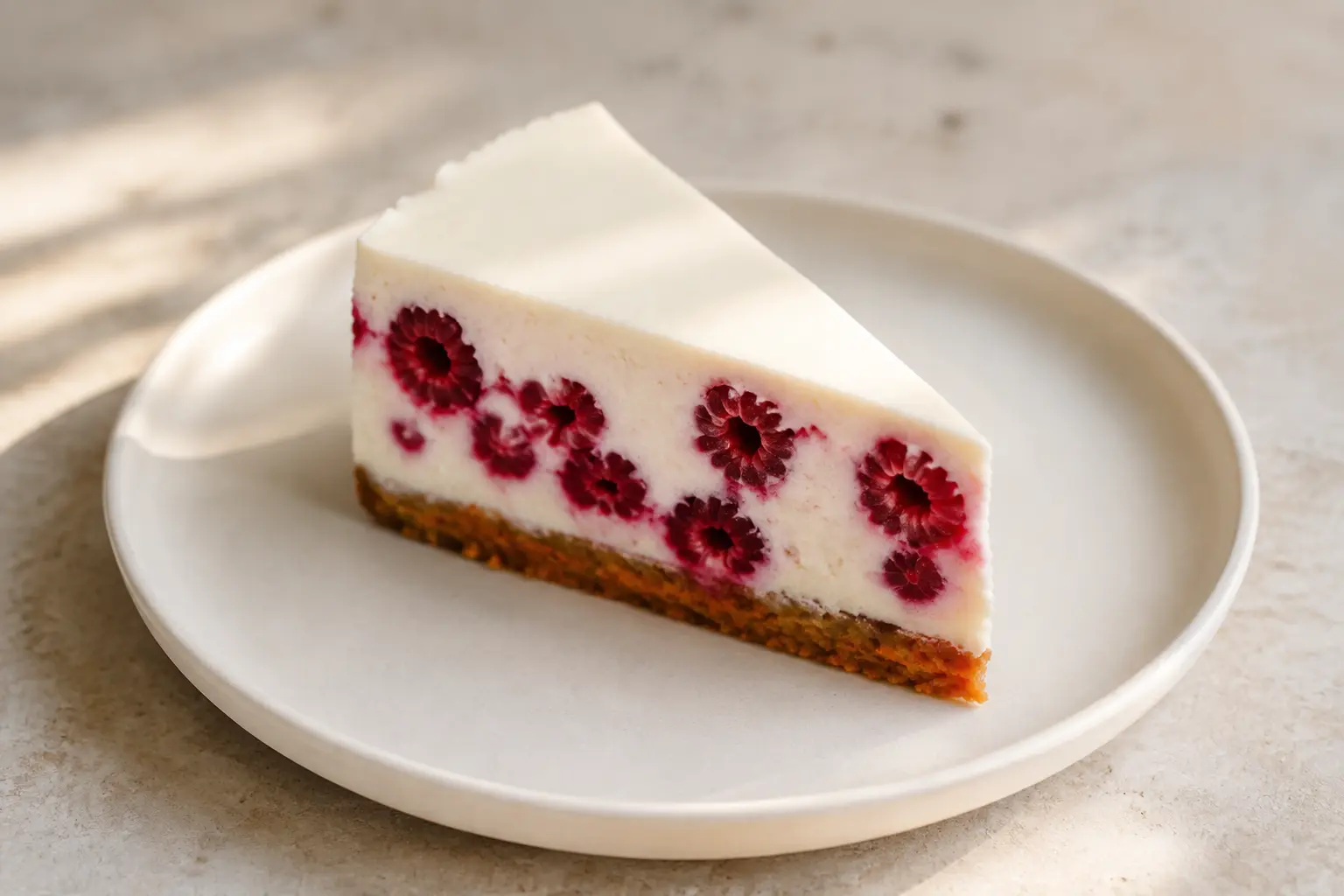
Cooking techniques
Raspberry cheesecake, fruit mousse, and whole-wheat apple tart are portioned differently. Similar-looking servings do not automatically weigh the same. Decide whether you are dividing a full batch evenly or plating an individual serving by weight.
Read article →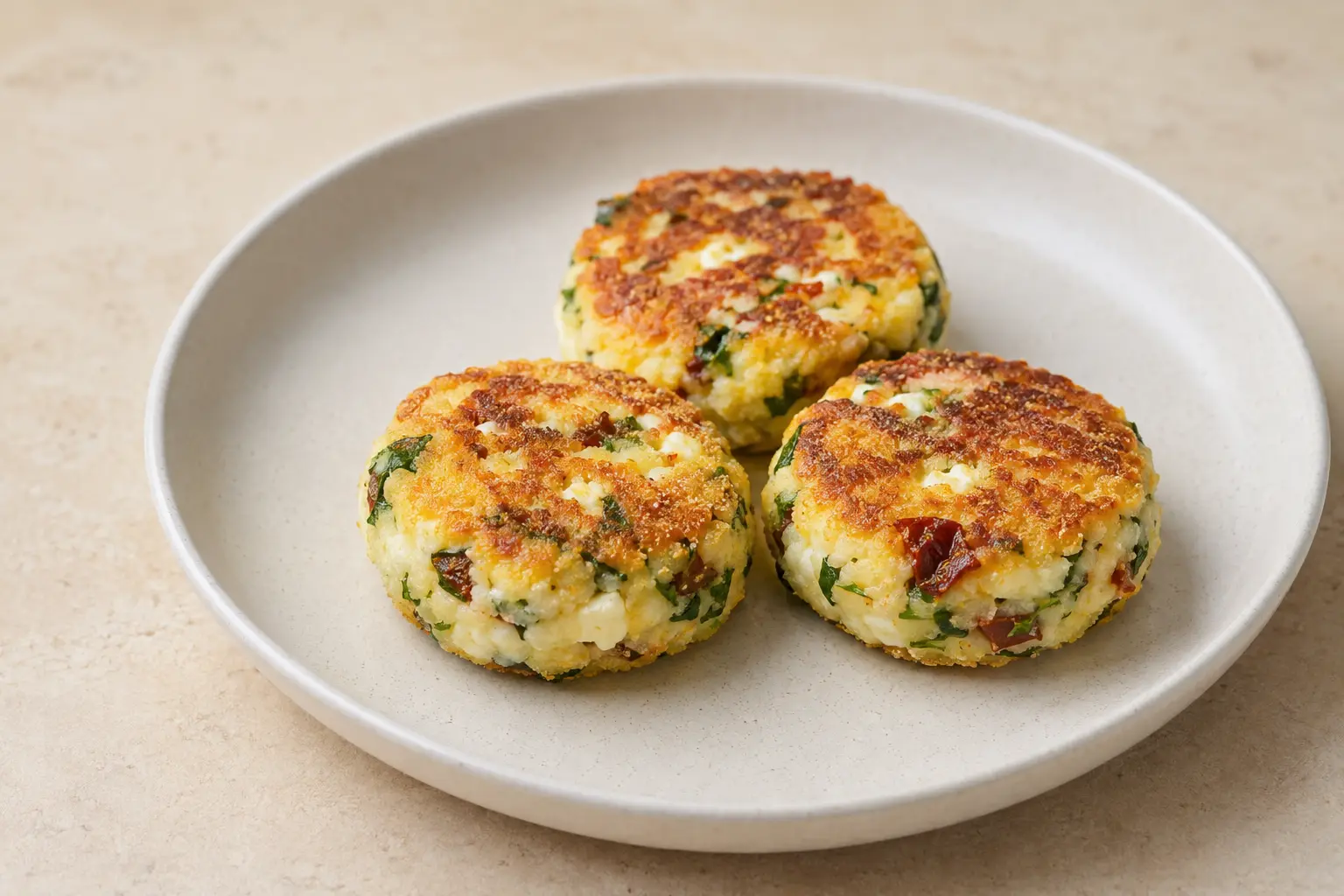
DE and US ingredients
Some quark dishes are localized for US shopping with an appropriate cottage cheese or fresh-cheese option. These categories are not identical in every recipe. Savory cheese pancakes, a chocolate dessert, and a baked dish place different demands on texture and binding.
Read article →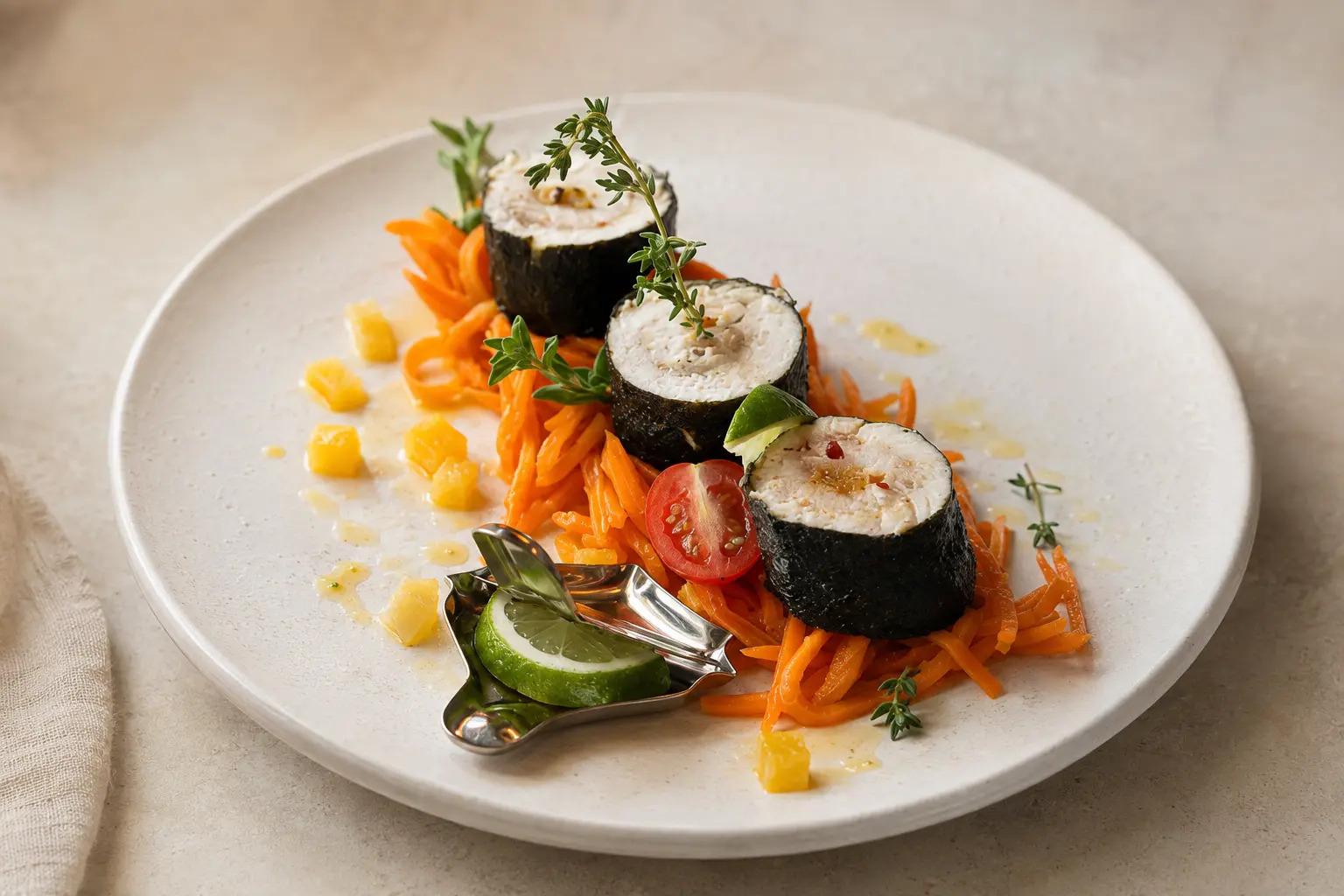
DE and US ingredients
A German fish name does not always lead directly to the same product in a US store. For pike-perch-style dishes and cod fish cakes, distinguish species, cut, and starting condition. A localized name helps you shop, but it does not replace checking the product label.
Read article →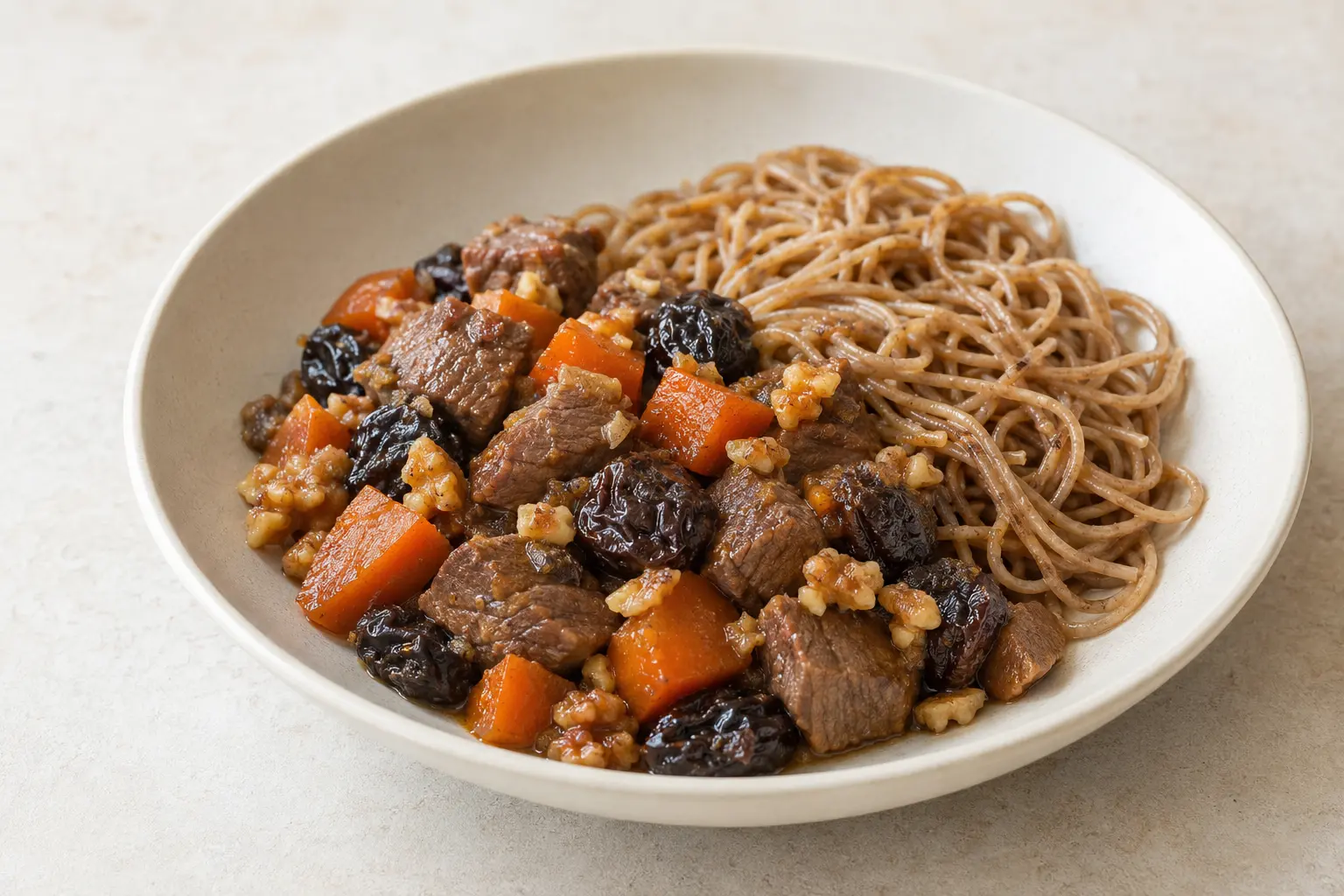
DE and US ingredients
Whole-wheat pasta, oat products, and flour are sold in both markets, but their exact composition depends on the product. For beef with whole-wheat noodles, granola, and apple tart, package color and a similar translation are not enough to establish equivalence.
Read article →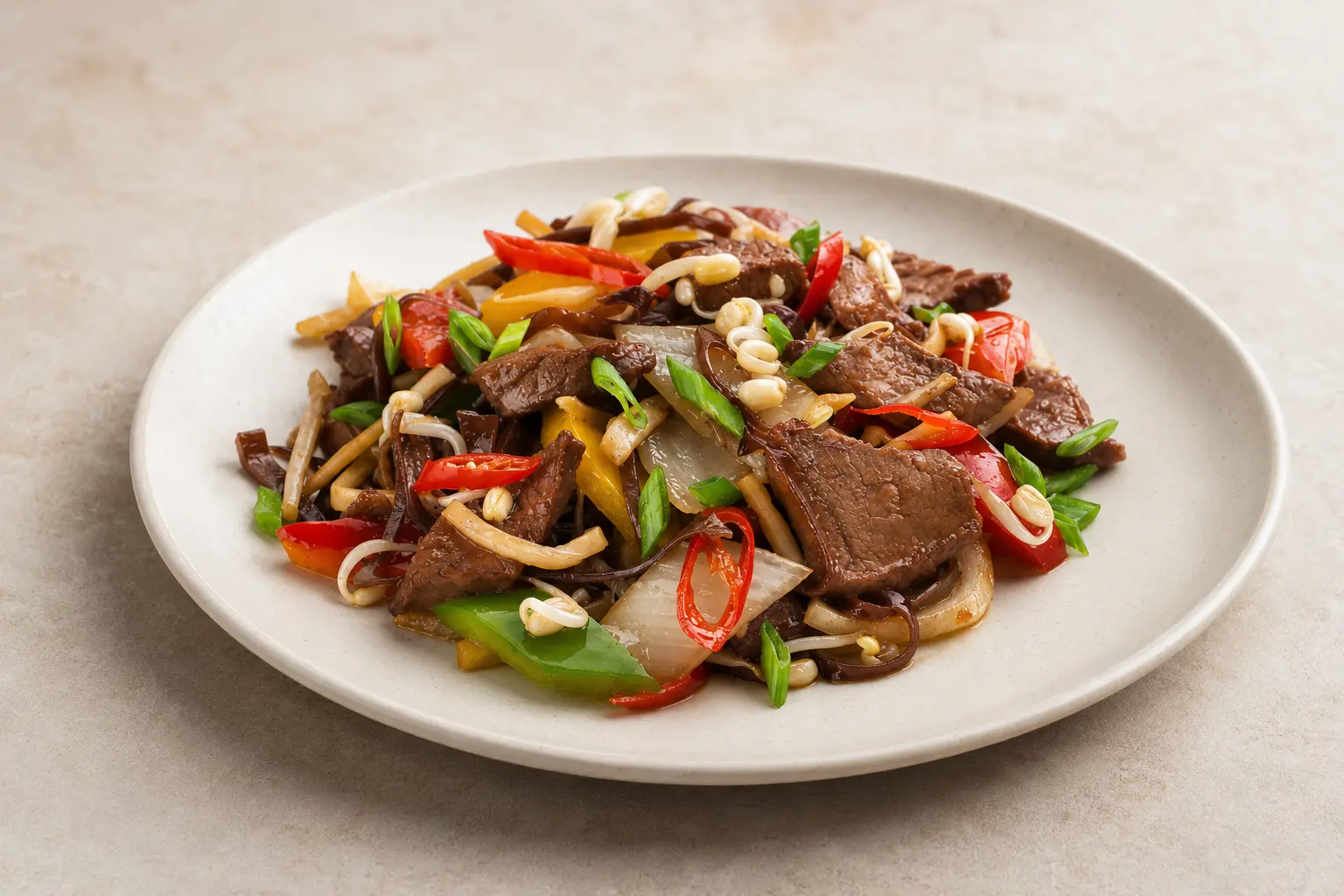
DE and US ingredients
Teriyaki dishes and a strongly seasoned soup show how prepared sauces can shape a recipe. The collection generally uses neutral product categories to make sourcing easier. That does not mean every product in a category has the same composition.
Read article →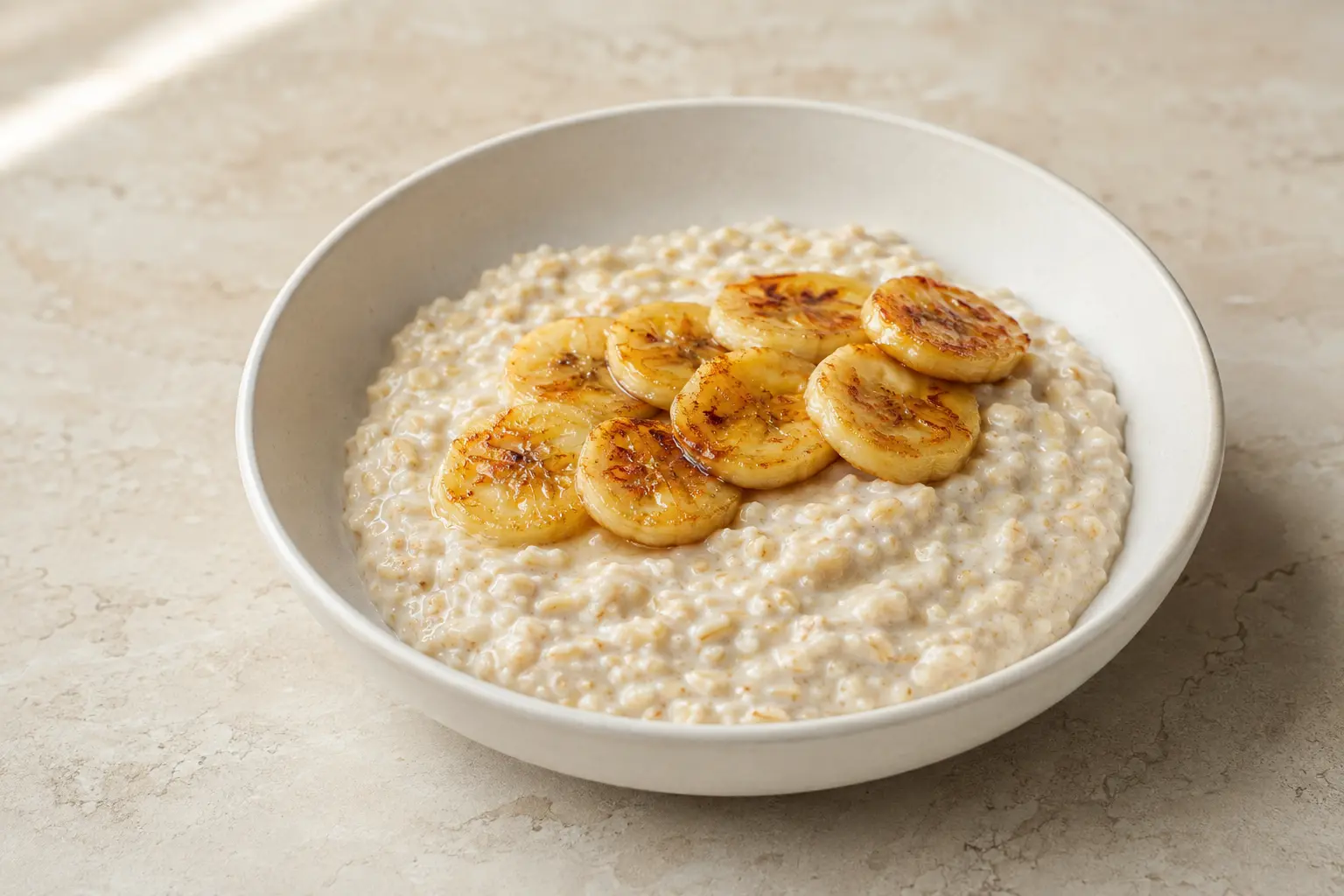
DE and US ingredients
The Metric/US control converts recipe weights from grams to ounces. For oatmeal, muesli, and salad ingredients, this expresses the same mass in a different unit. A weight ounce is distinct from a fluid ounce, which measures volume.
Read article →Understanding nutrition
Comparing oatmeal, rice pudding, and baked oats requires a common reference amount. A larger serving may show more calories even when its per-100-gram figure is lower. Those numbers answer different questions and should remain clearly labeled.
Read article →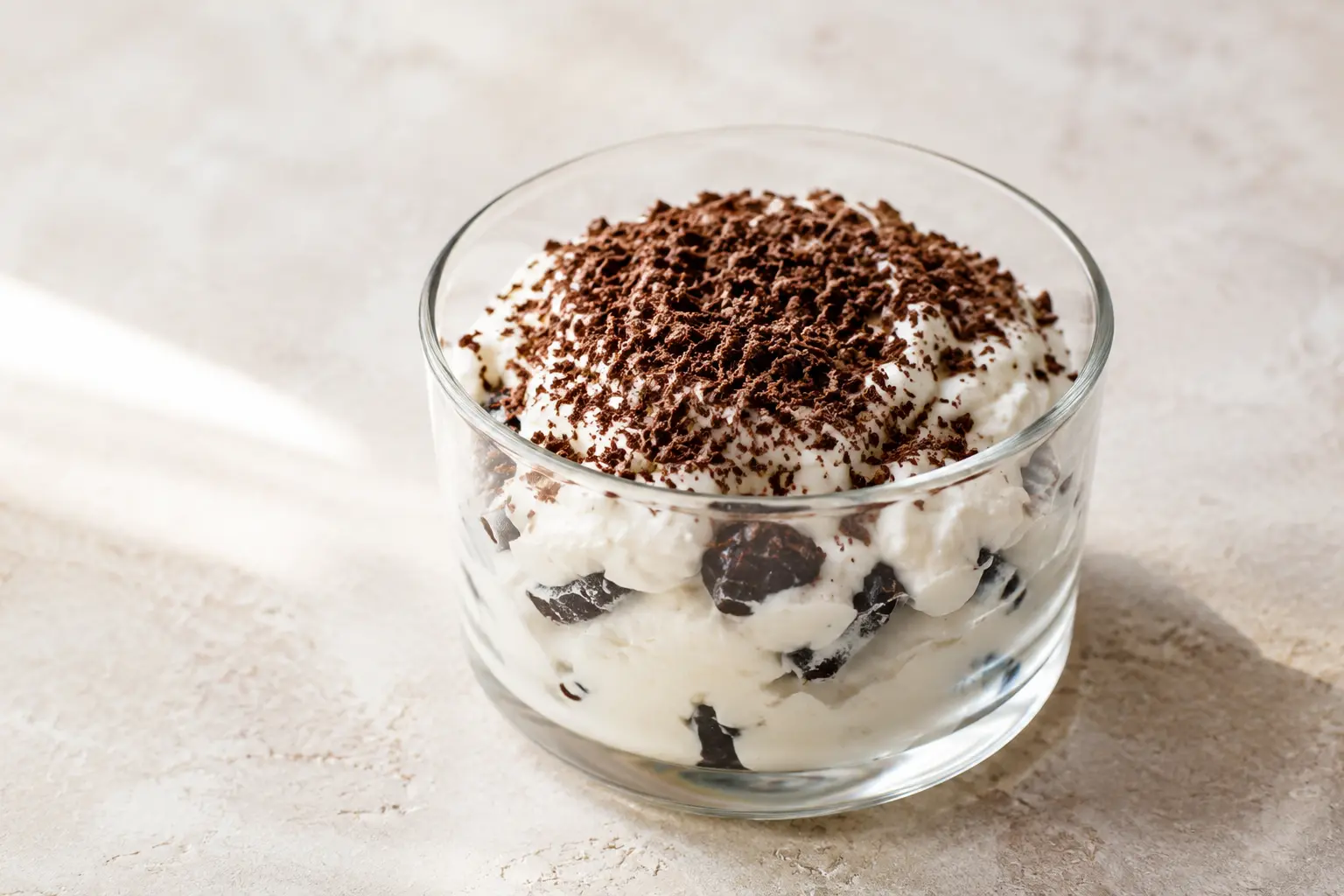
Understanding nutrition
A cottage cheese dessert, a ricotta bake, and a flaxseed variation depend on the dairy products used. A suitable German or US product name does not establish unchanged nutrition after a substitution. Use the information for the products actually included.
Read article →Understanding nutrition
The planner estimates energy needs using age, height, weight, an activity choice, and the selected calculation basis. Its starting point is the Mifflin–St Jeor equation. This is an estimate rather than a measured metabolic rate, and it does not automatically account for conditions, medication, or special life circumstances.
Read article →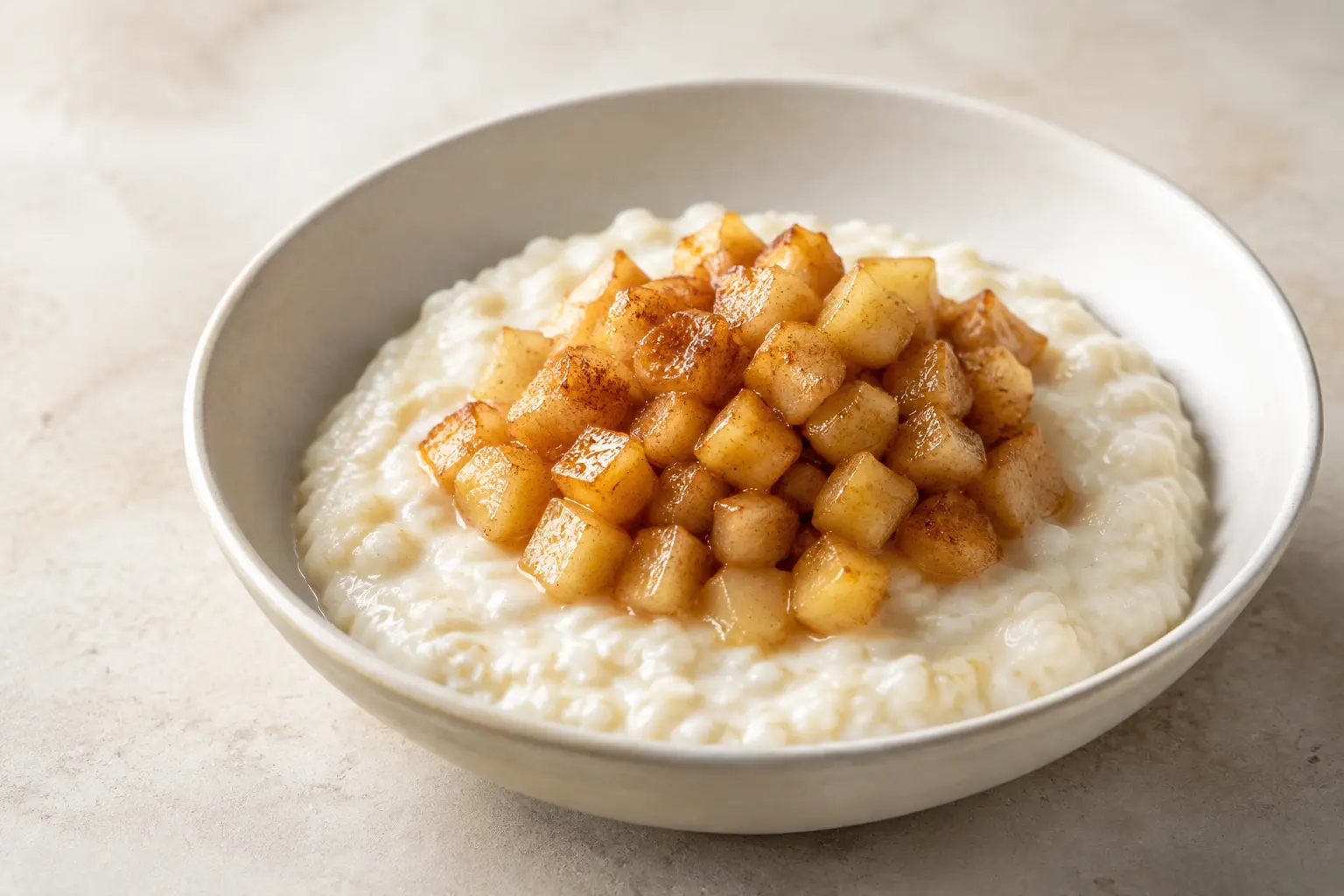
Understanding nutrition
The 1,200-, 1,700-, and 2,500-calorie worksheets are planning examples based on the supplied document. Their daily combinations were adjusted arithmetically to within five percent of each target. A matching total does not establish that a plan suits every person.
Read article →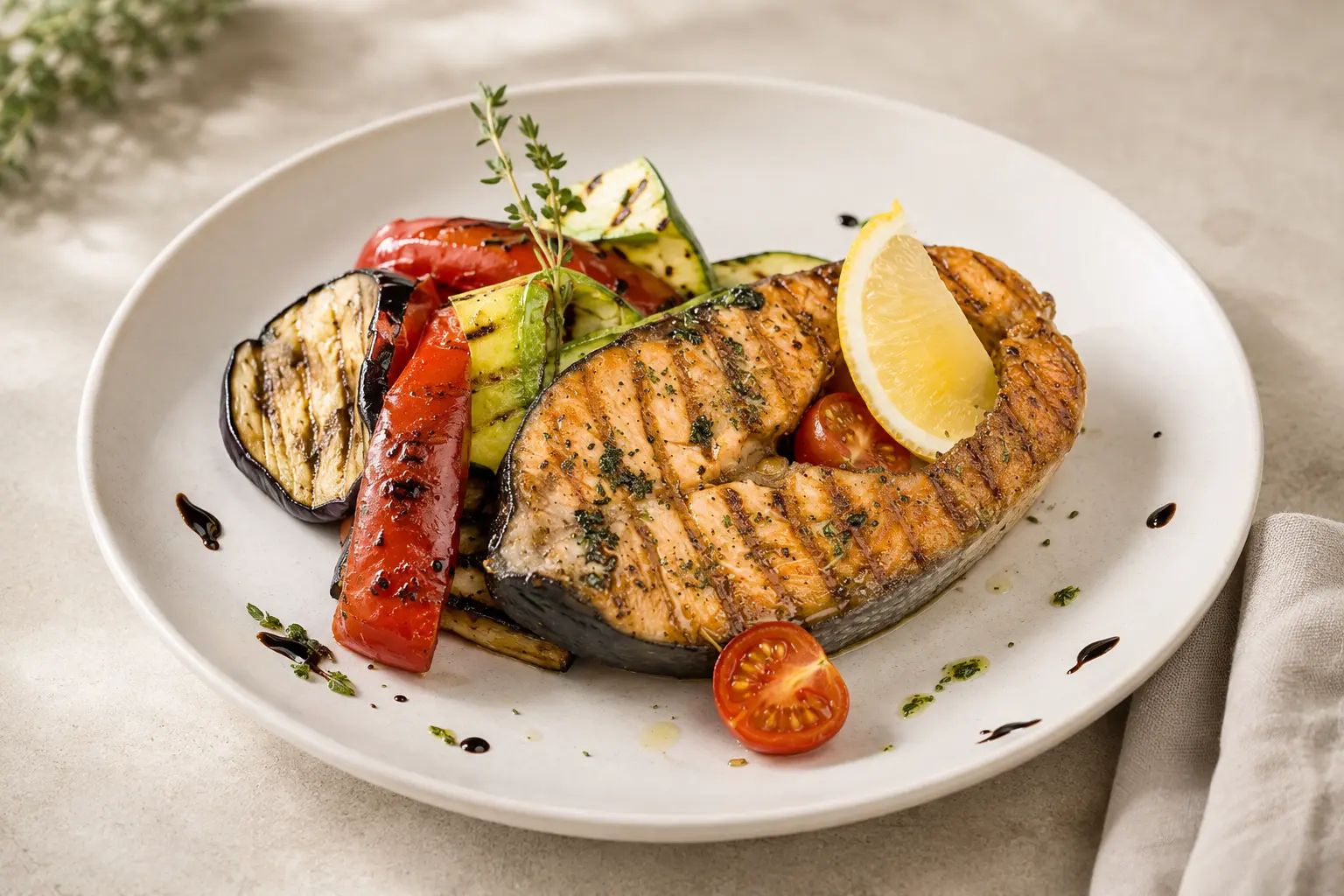
Understanding nutrition
A fish dish, vegetables, and an additional salad may form one meal. First check which sides are already included in the main recipe. Adding them twice produces a total that does not describe what was actually served.
Read article →Restaurants and production cards
A restaurant needs more than ingredients and a good photograph. For chicken with buckwheat, fish cakes, or apple tart, the working specification should identify the products, purchasing quantities, and actual yield. In this project, TTK refers to a package of technical recipe and production documents.
Read article →Restaurants and production cards
Shrimp, chicken, and apple tart have different cost drivers. A useful calculation requires current supplier prices and the correct unit basis. The recipe data does not contain verified current restaurant purchasing prices, so it cannot promise a fixed margin.
Read article →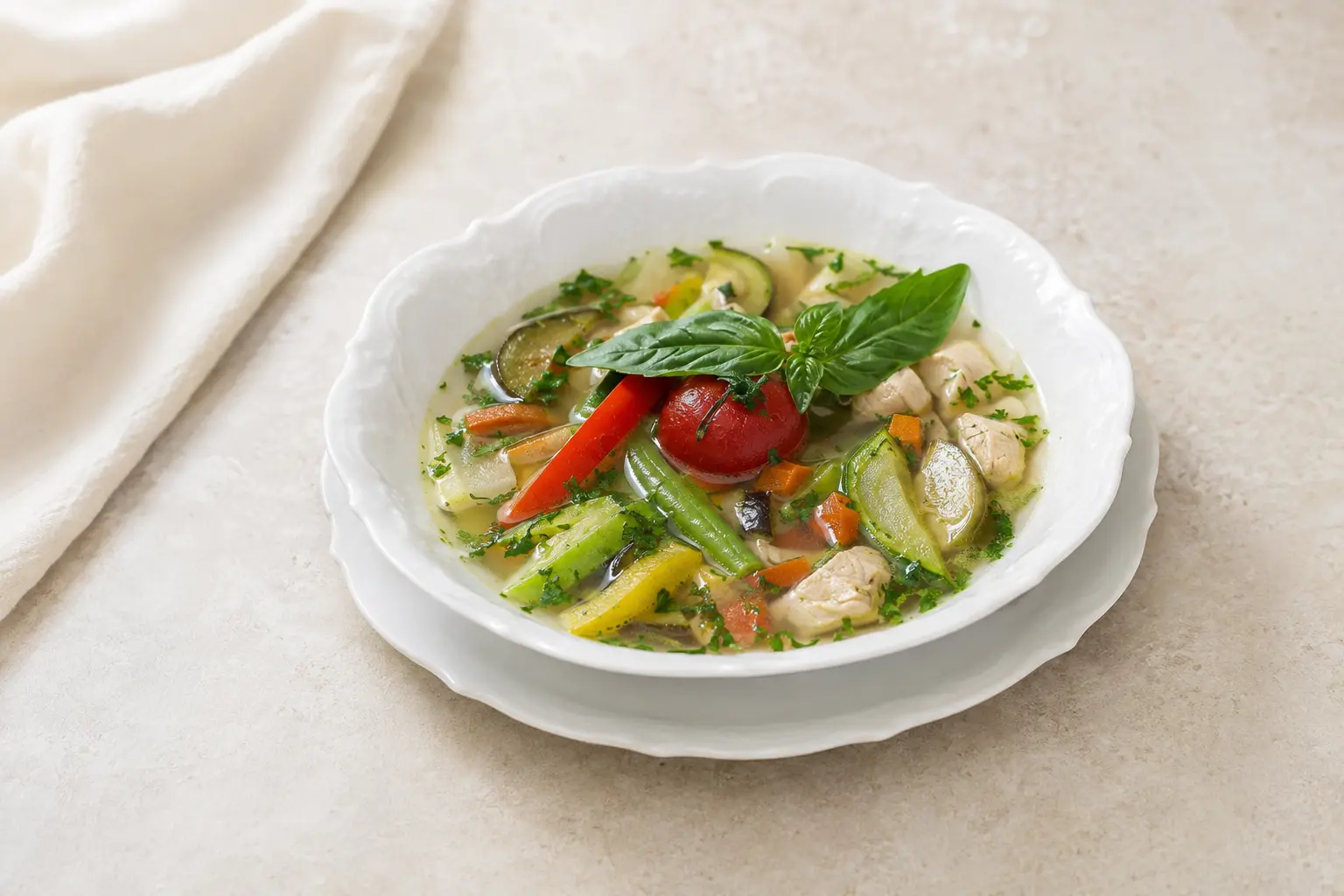
Restaurants and production cards
Minestrone, chicken with vegetables, and raspberry cheesecake can place demands on different stations and preparation stages. A menu should therefore be assembled around more than appealing dish names. Check which appliances, work surfaces, and tasks are needed simultaneously during real service.
Read article →